Photo (above): Photographer: Momenticos by Rocio Vega
1. Written in the Stars
In an Indian wedding, celebration and tradition go hand in hand. The wedding lasts several days and is full of official ceremonies. According to Indian wedding traditions, the wedding date is written in the stars and determined by a priest.
2. Large Guest List
Indians have great mutual respect in their culture. This is reflected in the tradition of inviting everyone who has invited you to their wedding. An Indian wedding can quickly have an extensive guest list, sometimes up to 1000 guests.
3. Henna
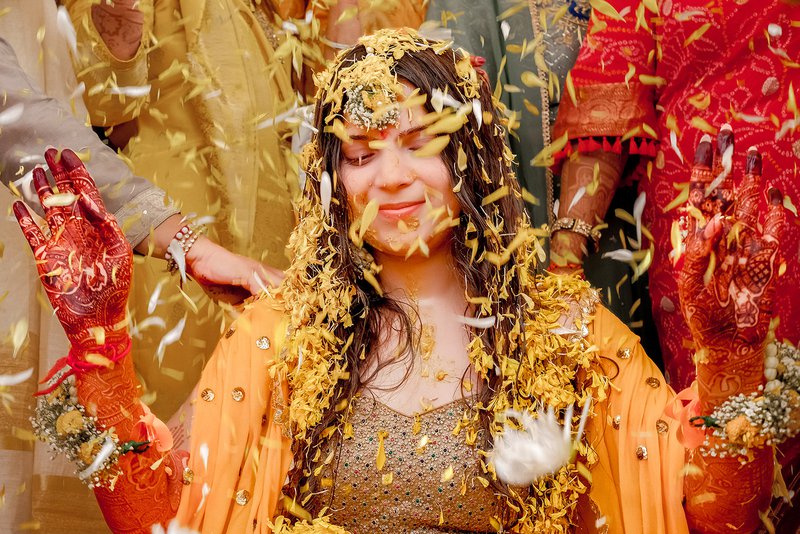
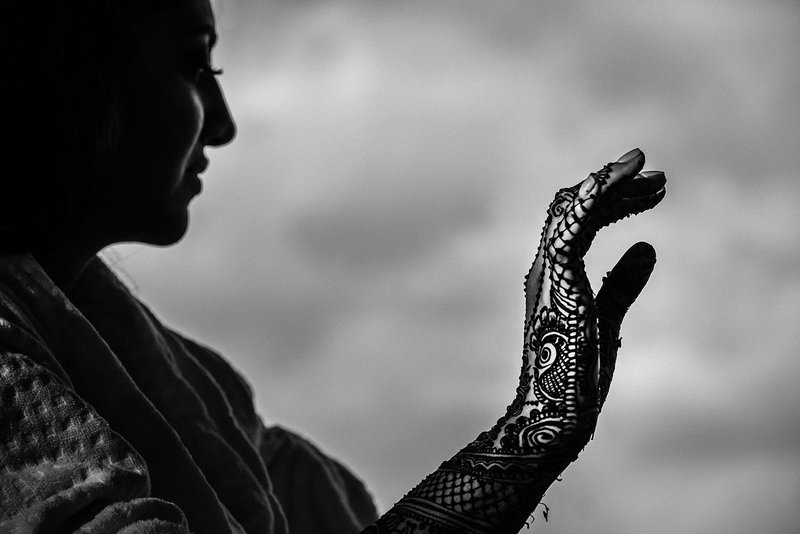
The day before the wedding, the Mehendi ceremony takes place. Hands, and sometimes feet and back, are adorned with Henna. Symbolic symbols are incorporated into the Henna to bless the marriage. Indian wedding traditions suggest that the darker the Henna color, the happier the marriage will be. This tradition is exclusively for women.
4. Jai Mala
During the Jai Mala, the couple comes together for the first time. After the bride is escorted forward, she sits in a chair separated by a cloth from where her future husband sits. This symbolizes the independence of both future spouses.
5. Flower Garlands
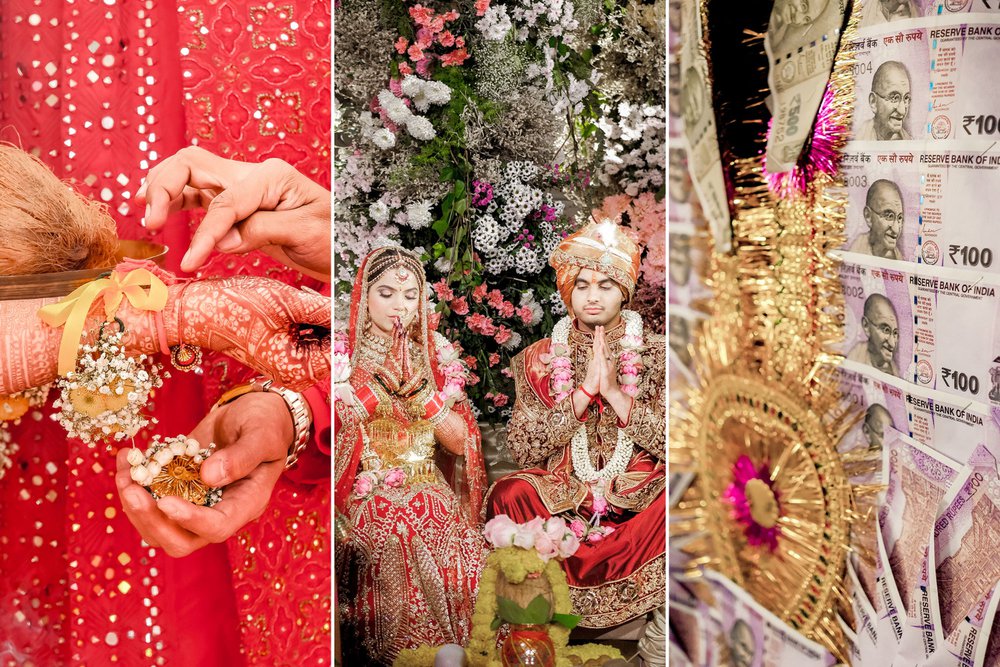
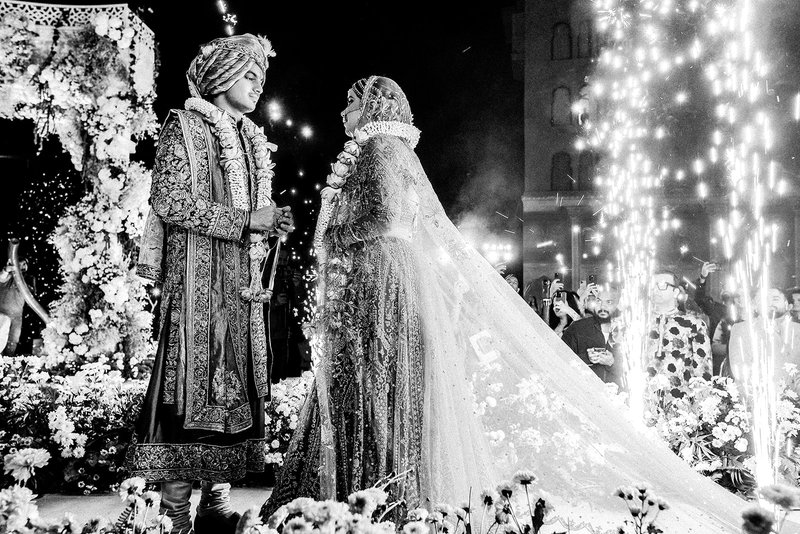
The bride and groom exchange flower garlands to express their willingness and consent for the marriage. This is done in a playful manner, with each trying to place their garland around the other's neck first. In some cultures, this may predict who will be the dominant person in the relationship.
6. Red Wedding Dress
The bride does not wear a white wedding dress as is customary in Western culture. In Indian wedding traditions, it is common to wear a red dress. This symbolizes fertility, prosperity, and a rising sun. Fun fact: This is often the case in traditional Muslim weddings as well.

7. Mandap
The wedding takes place under a Mandap. This is best described as a square pavilion with four pillars. Each pillar is covered with fabric, and fabric is draped above as well. These are often, like the entire wedding, in bright colors.
8. Friendship
In the Mandap, a sacred fire is placed. This is a very important element in Indian wedding traditions. During the ceremony, the couple walks around the fire seven times, symbolizing friendship in the relationship, which is the central foundation in Indian marriages. It is important that the fire remains lit throughout the ceremony. Sometimes this ritual is replaced by, for example, taking seven steps together.
9. Arranged Marriage
In Indian culture, many arranged marriages still occur. Contrary to some perceptions, this is done with the consent of the bride and groom. 85% choose to let their family decide who their partner will be.
10. Family Lineage
During the ceremony, the family lineage of the bride and groom is examined. This goes back at least three generations. It is checked to which original 'clan' both individuals belong so that a marriage between two people from the same clan cannot take place.