Photo (top): CANVA
1. Braille print materials
Offer important documents such as save-the-dates, invitations, wedding programmes, and menus in Braille, or ensure there is at least one inclusive version accessible to everyone. Consult an organisation or experts who can assist in accurately translating the documents. For example, Licht en Liefde is an organisation based in Varsenare with "contact points" in every Flemish region and in Brussels, serving blind and visually impaired individuals. A professional graphic designer or printer can also support you in this process.

2. Tactile signage
Provide tactile signage or labels, especially for important areas like restrooms and event locations such as the ceremony and dinner. Use different textures or raised lettering to assist guests in navigating the venue. Wedding suppliers of welcome signs and other decorations and rentals can certainly help you provide the appropriate materials.
3. Audio descriptions
If you are showcasing visual elements during your ceremony or party, such as a video or perhaps a slideshow, you can include audio descriptions by engaging a narrator, for example. In this way, blind or visually impaired individuals will also be able to follow the content presented at your wedding celebration. Your master of ceremonies is the ideal person to act as the narrator.
4. Special focus on narration and music
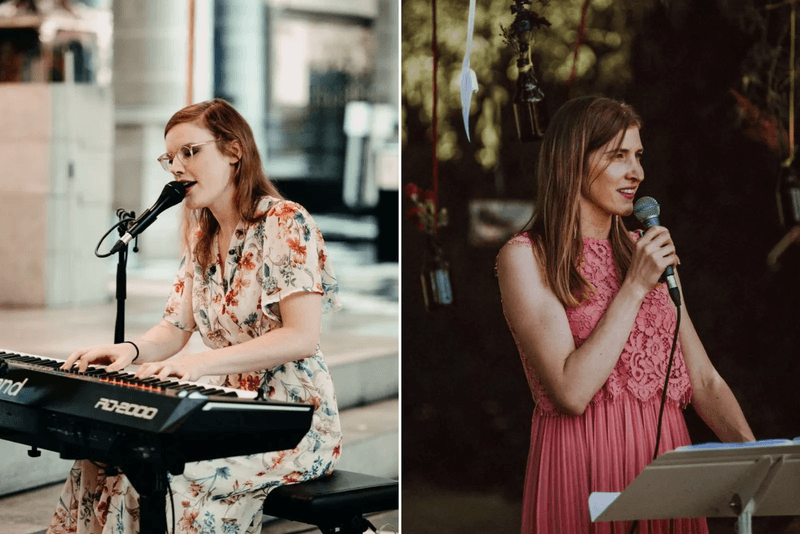
Make your ceremony and celebration even more special by hiring a professional master of ceremonies and live musicians. Your visually impaired guests will be able to fully enjoy the ceremony thanks to the beautiful narrative voice of your master of ceremonies. A few musical interludes performed by a singer and/or live musician will make the event even more special for everyone. During your reception, dinner, and party, the live music will also provide a memorable experience. At the party, additionally offer support or assistance to visually impaired guests who wish to dance. Descriptions of the environment or a dedicated dance partner can assist them in this endeavour.
5. Appropriate seating
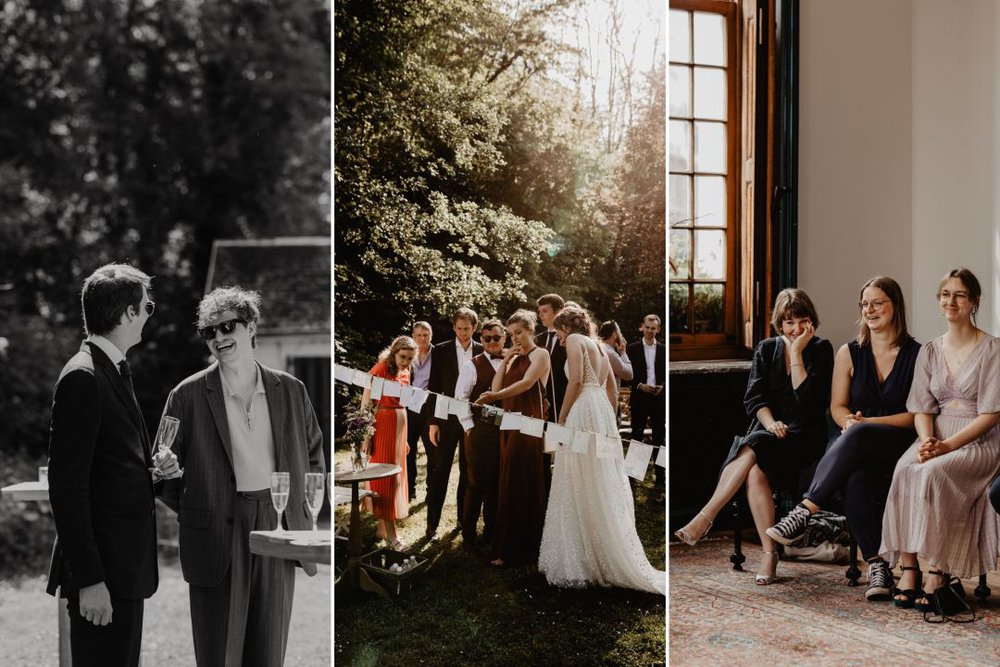
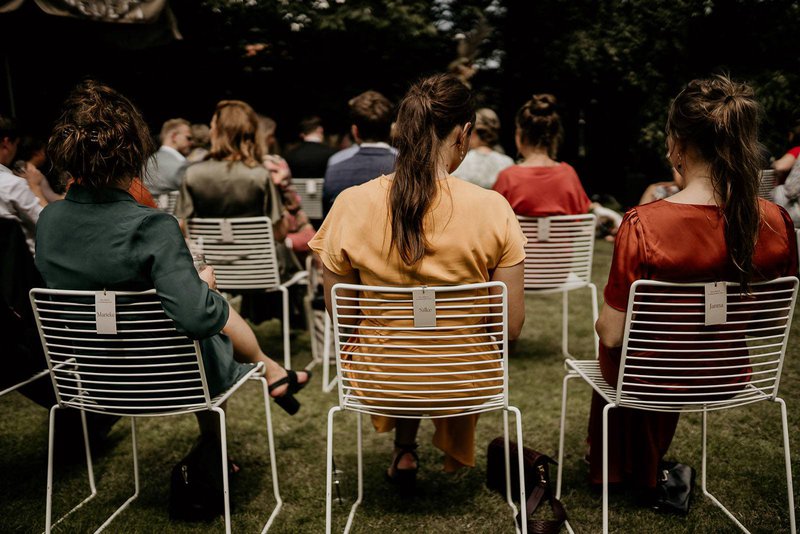
Reserve seats for your visually impaired guests that are closer to the action or centre. This will enhance their experience and help them feel more involved in the ceremony and speeches.
6. Valuable assistance
Ensure that your master of ceremonies, venue staff, or designated volunteers are informed and available to assist your visually impaired guests. They can guide them through the venue, help them find their seats, and use the facilities.
7. Quiet spaces and assistance animals
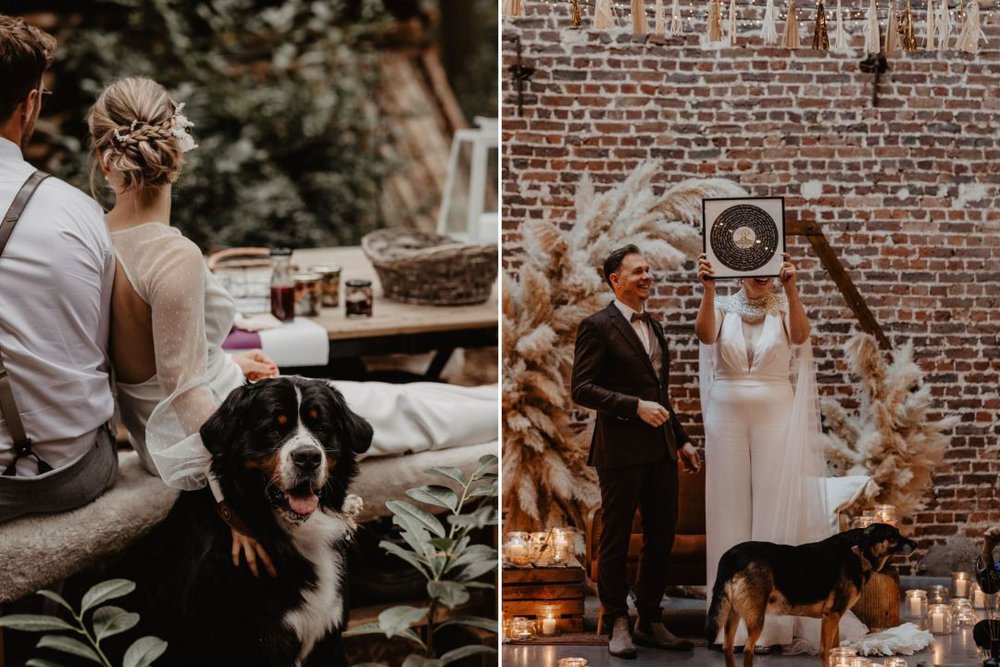
Enquire with your wedding venue if there are quiet spaces available for guests needing a break from the festivities. Also, check with the venue if guide dogs or other assistance animals are permitted for guests who require their presence.
8. Accessible technology
Consider using technologies such as audio guides or applications that support blind or visually impaired individuals, providing access to information about the event, programme, or even menu options.
9. Thoughtful communication
Before your wedding, contact blind or visually impaired individuals to understand their specific needs or preferences. Knowing their needs in advance allows you to better prepare and adapt. Also, ensure you maintain open communication and a considerate, understanding attitude during the event. Encourage your blind or visually impaired guests to share any concerns or additional needs to ensure their comfort during the event. You can designate a volunteer or a member of the venue staff who your guests can approach if needed.
By taking these steps to support blind and visually impaired individuals, you create an atmosphere at your wedding where guests with visual impairments feel welcome, and everyone can fully participate and enjoy your special day.
Learn more about this topic through these links: