Are you getting married during Ramadan? Here are some things to keep in mind.
12/02/2025 09:00 | Tips & tricks
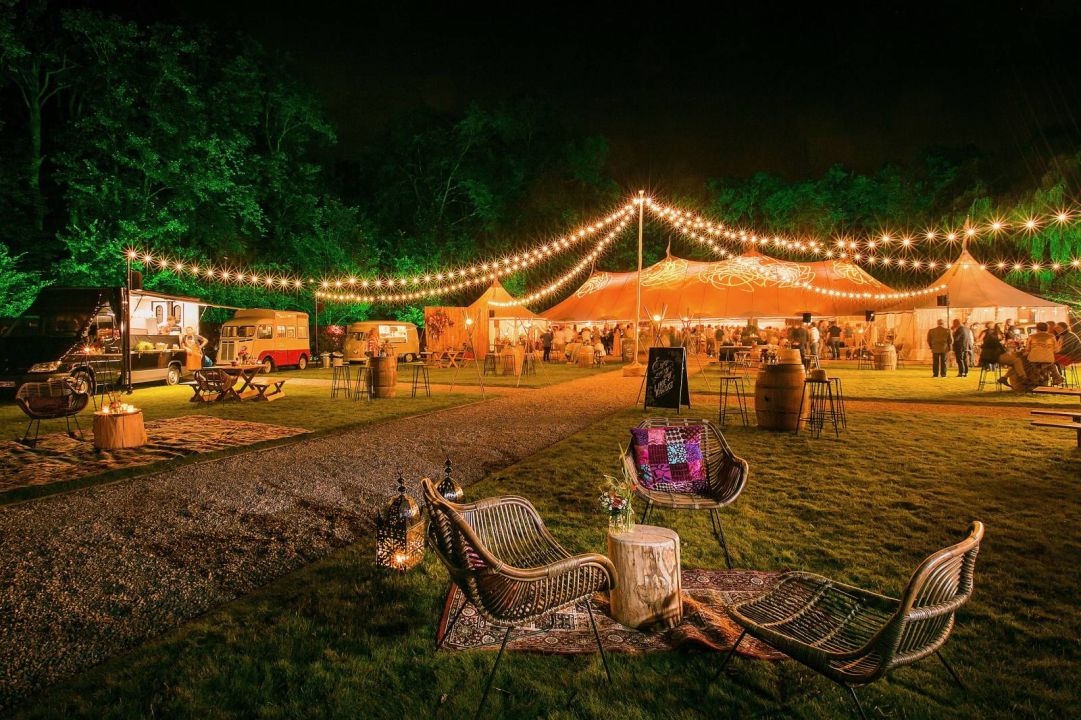
Are you getting married during Ramadan and do you have guests who are fasting? If so, it may be useful to take a few practical matters into account. During this month, many Muslims fast between sunrise and sunset and focus on spirituality and reflection. Although getting married during this period is not prohibited, fasting may affect the planning and experience of your celebration.
Photo (above): Wedding Planner: meetmarcel - Photographer: Jurgen de Witte
A holy month
Ramadan is a holy month in Islam during which many Muslims fast between sunrise and sunset. It is a time of reflection, spiritual growth and solidarity. The exact start and end dates are determined by the sighting of the crescent moon and may vary from region to region. In 2025, the first day of Ramadan will be on 1 March and Eid al-Fitr, the festival marking the end of Ramadan, will be on 30 March.
Getting married during Ramadan as a non-Muslim: what should I take into account?
If you are inviting Muslim guests who are fasting, you can help them by taking the following into account:
- Send your invitations early. Some guests may be hesitant to attend a large party during Ramadan. By sending your save the dates or invitations well in advance, you give them the opportunity to make an informed choice.
- Plan your dinner and party around “iftar”, the meal that breaks the fast after sunset. By planning your dinner at this time, fasting guests can enjoy the party to the fullest.
- Ask your caterer about halal food and non-alcoholic drinks. You could opt for a varied menu with a mix of traditional dishes from different Muslim cultures.
- Provide a quiet place for prayer. Some guests may wish to pray before or after breaking their fast. A discreet, quiet space is often appreciated.
Getting married as a Muslim during Ramadan
Although getting married during Ramadan is not forbidden, it is sometimes considered less practical due to the fasting rules and the spiritual focus of this month. For Muslim couples who are fasting themselves and want to get married during this period, good planning can help everything run smoothly.
- Choose a suitable time for the ceremony. Consider planning it just before or after iftar so that you and your guests are not distracted by hunger and thirst.
- Plan your reception after iftar. Your wedding meal after sunset can be an intimate and cosy moment, with traditional dishes and dates making a nice addition.
- Ramadan is all about simplicity and spirituality. For this reason, some couples choose to have a modest celebration with family and friends during this period. Others choose to have a larger party after Ramadan, for example, following Eid al-Fitr, the festival that marks the end of Ramadan.
Find and book the best caterer for your wedding party here
Read more about this topic via these links: