in
You choose a DJ based on their experience, musical style and the atmosphere you want at your party. Whether you’re getting married or planning another party or event, the right DJ will set the mood and keep everyone on the dance floor. At House of Weddings, you’ll find verified DJs with a quality label throughout Belgium. Take a look at what they have to offer, listen to their style and easily request a quote from the DJ that’s right for you.Read more
You choose a DJ based on their experience, musical style and the atmosphere you want at your party. Whether you’re getting married or planning another party or event, the right DJ will set the mood and keep everyone on the dance floor. At House of Weddings, you’ll find verified DJs with a quality label throughout Belgium. Take a look at what they have to offer, listen to their style and easily request a quote from the DJ that’s right for you.
A bit further away
Vendors near Province of Liège


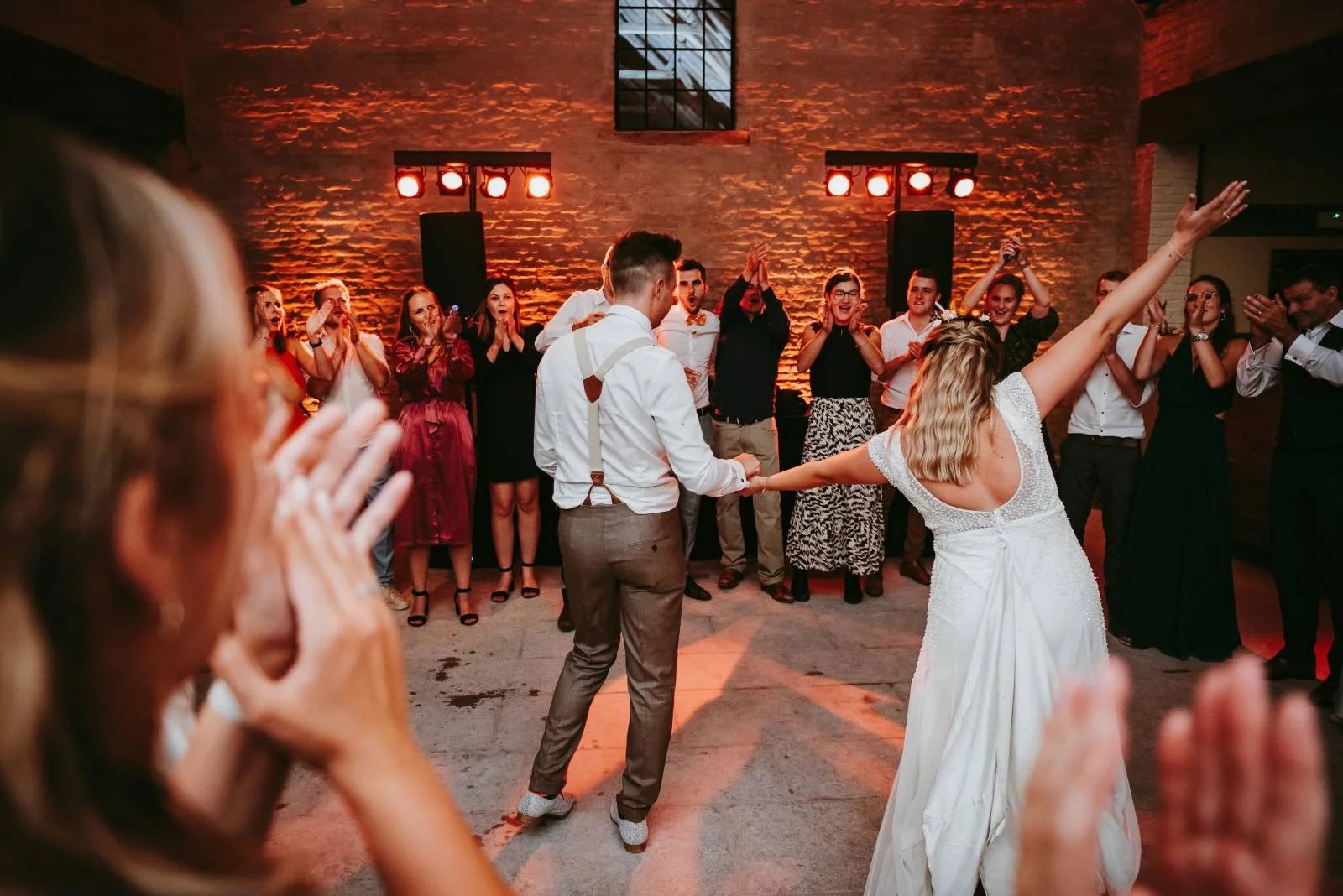
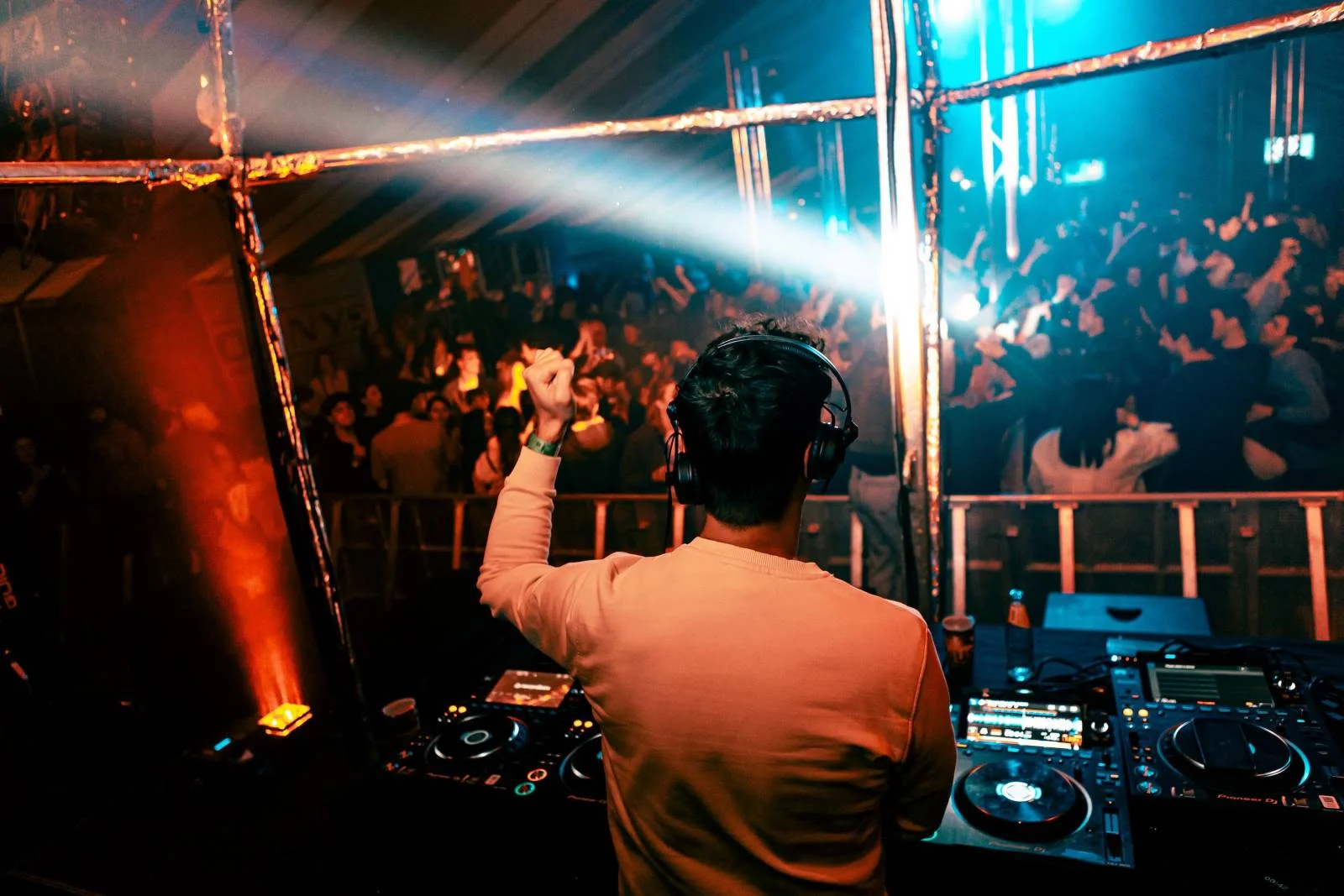
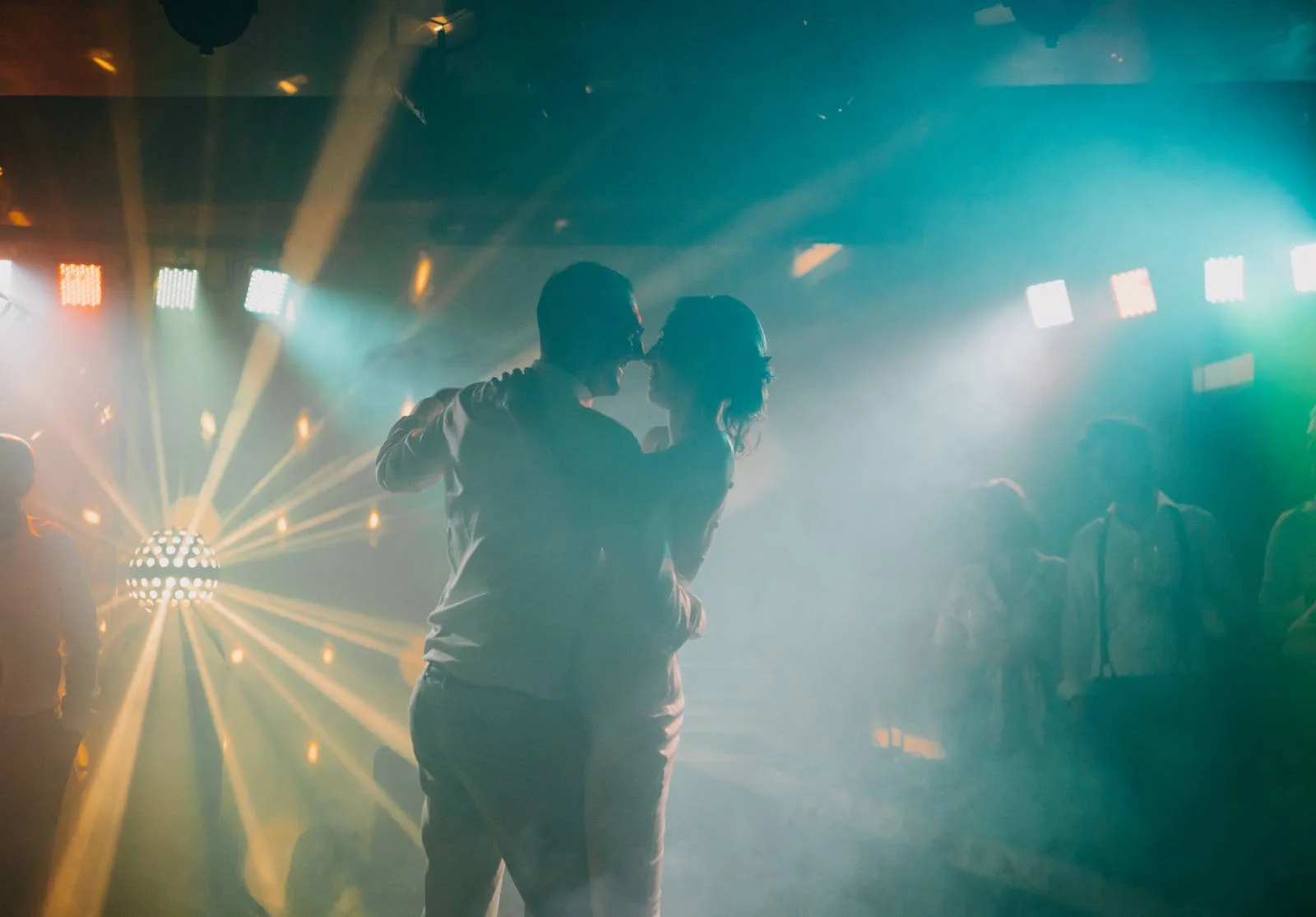
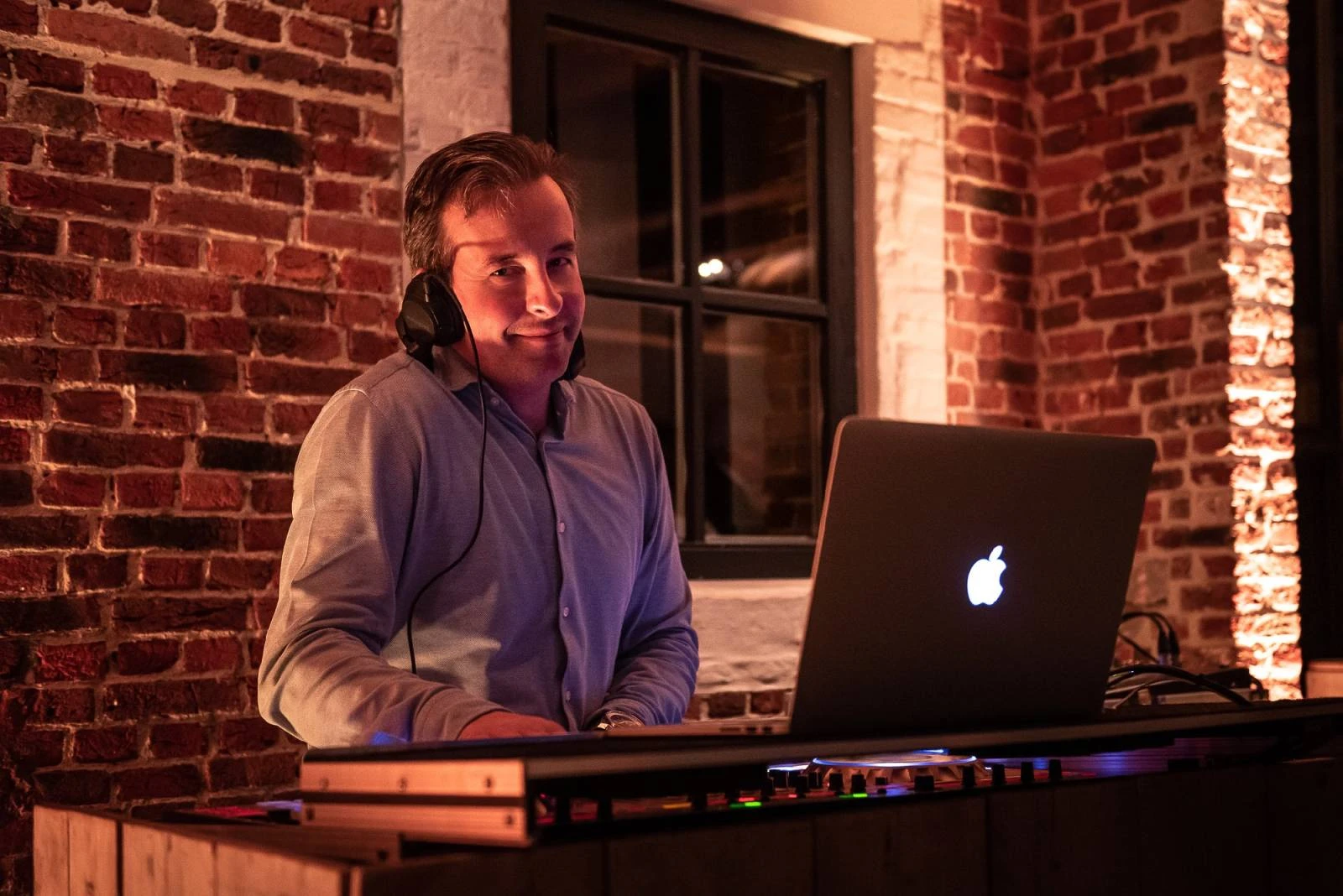
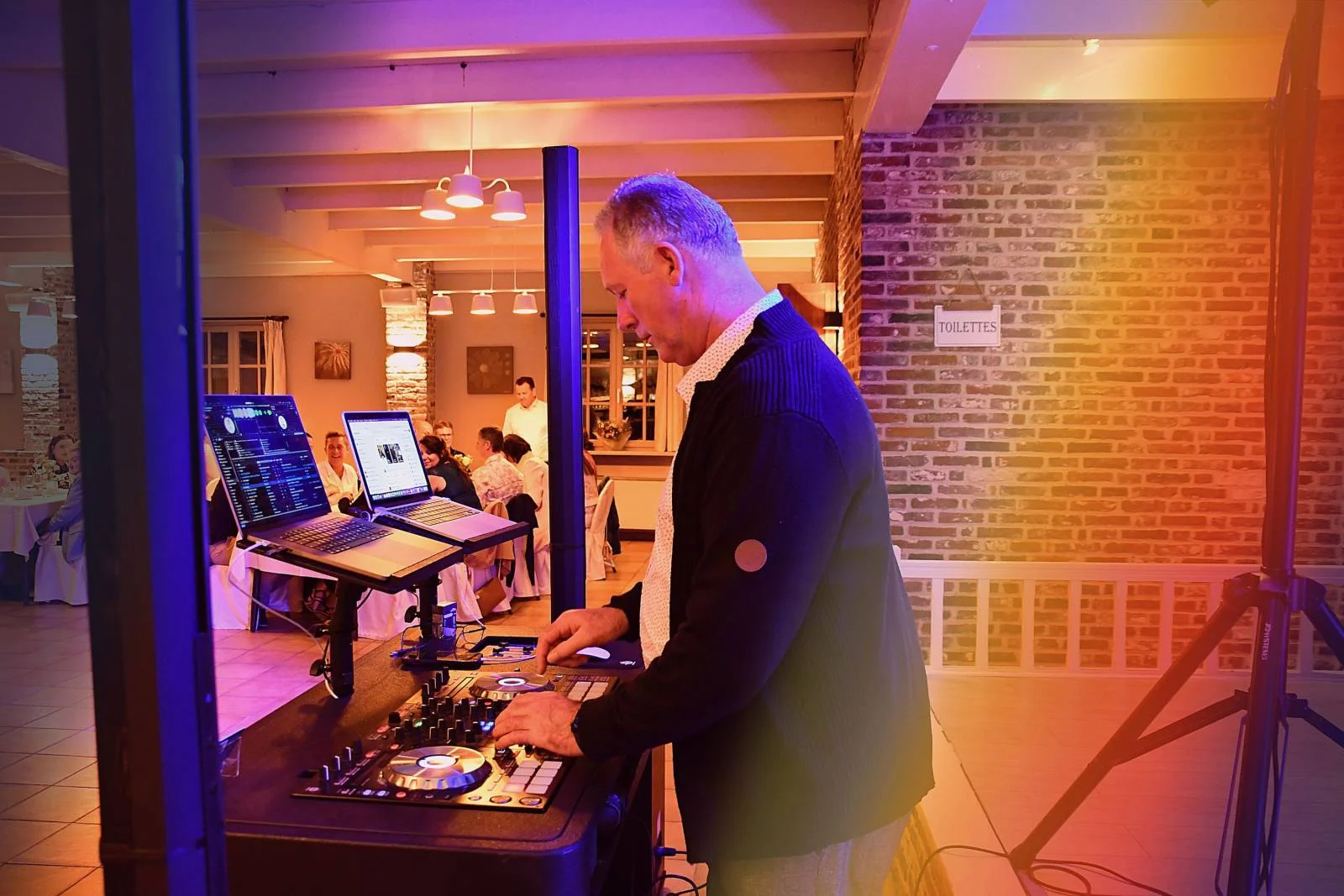
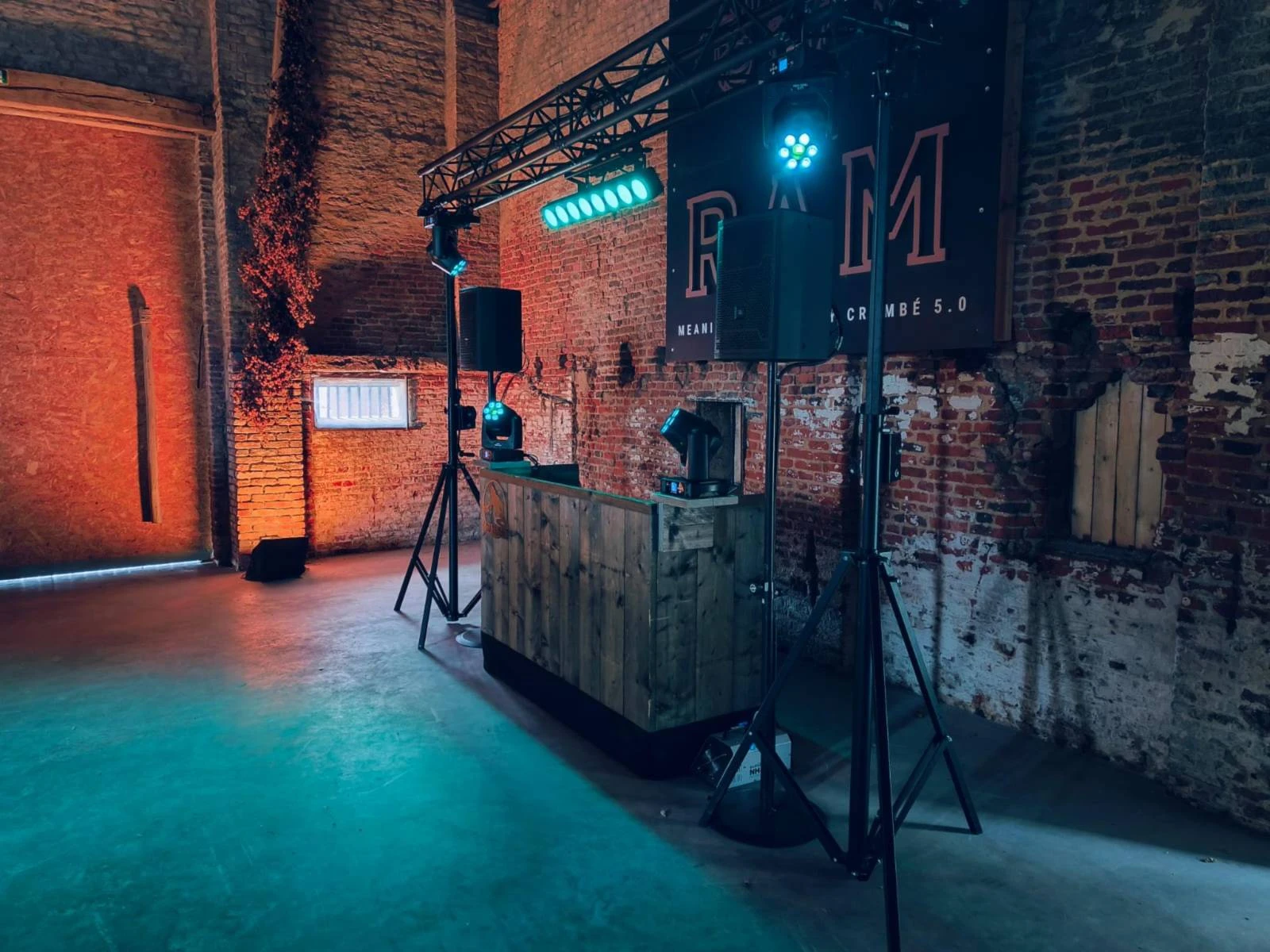
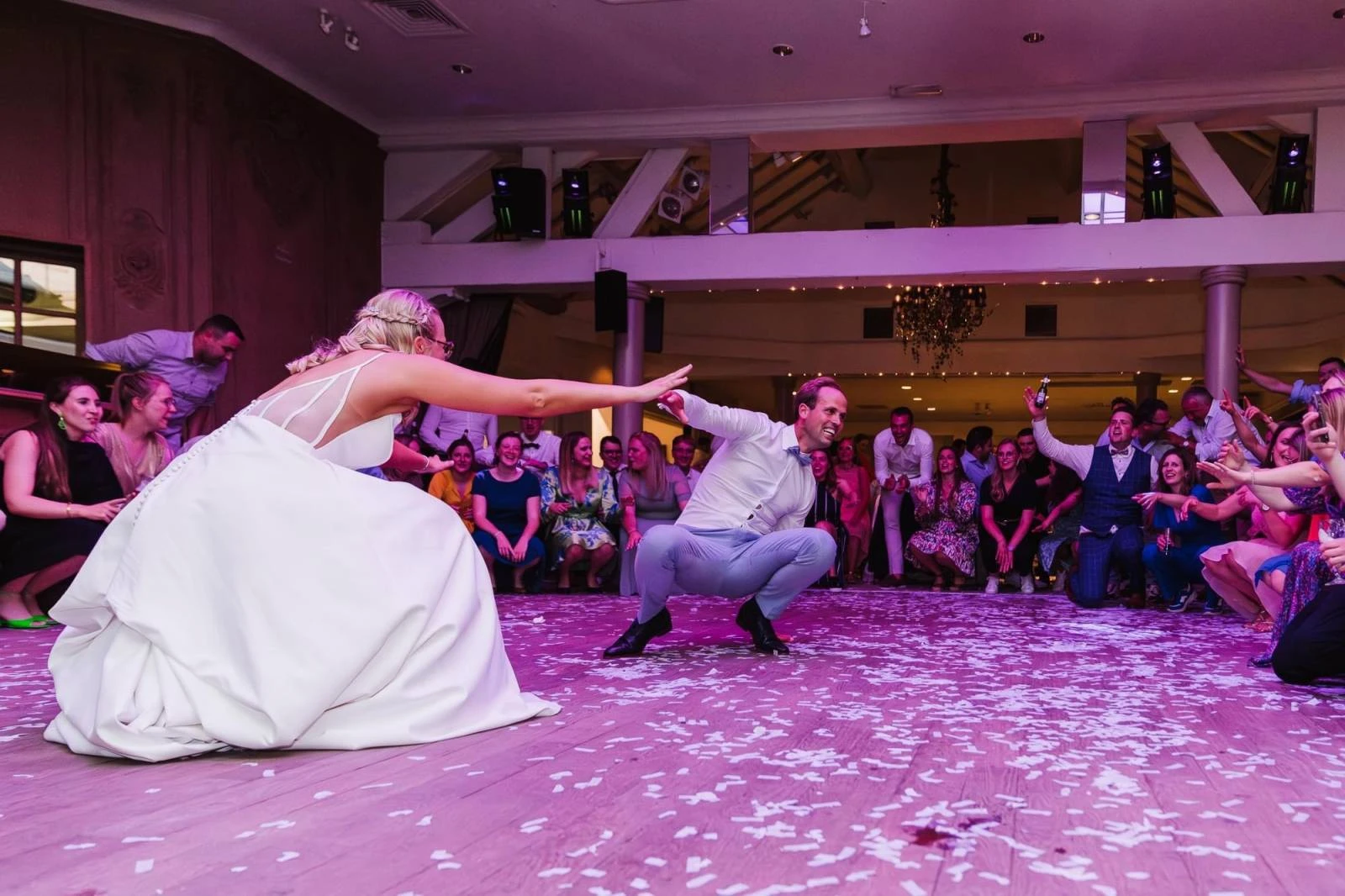
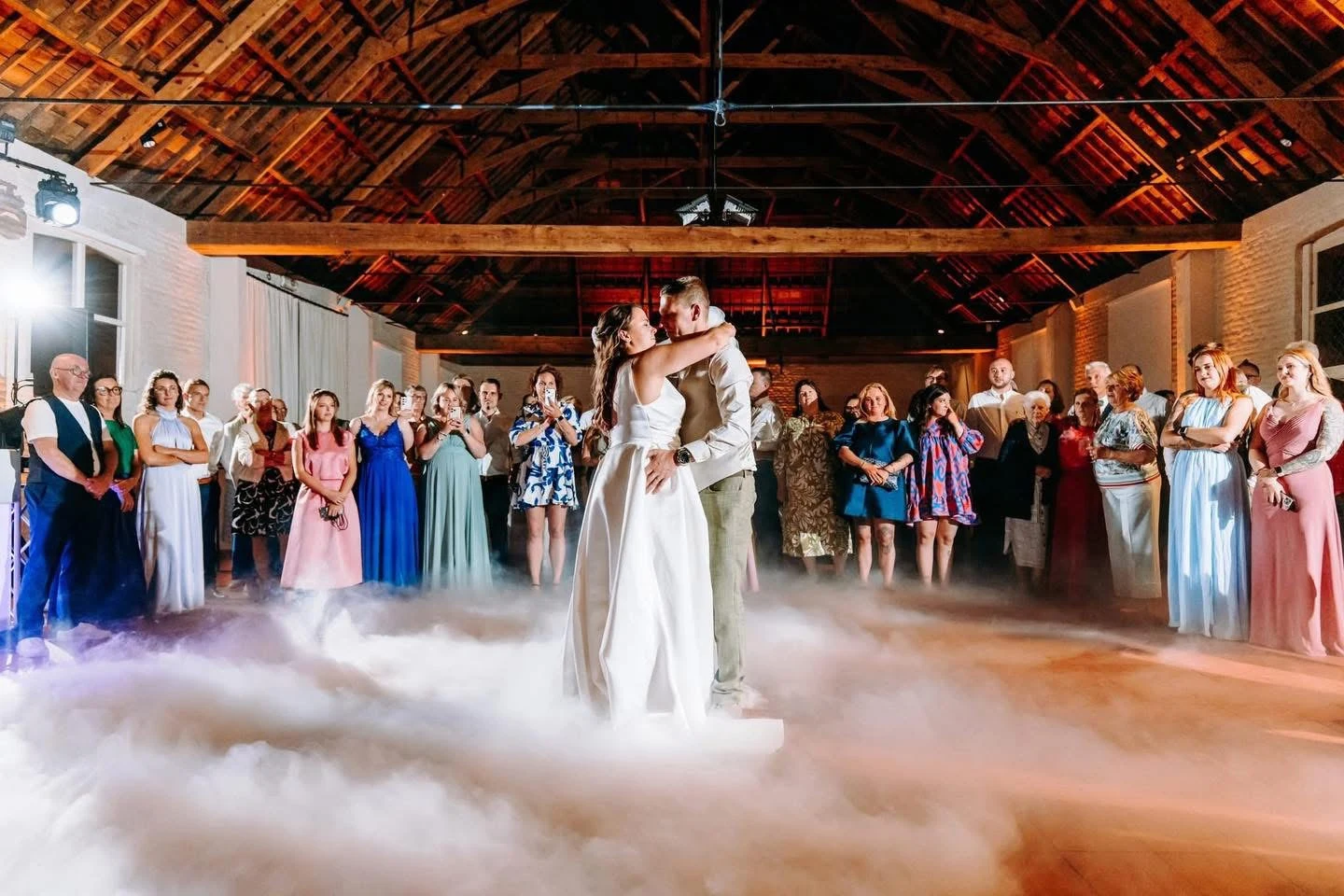

Featured Vendors
Sponsored


Save your favourite suppliers
Create a free account and keep all your favourites in one place.
Create a free accountLooking for a DJ? Here’s how to go about it
1. Decide on the music style. Work out in advance what sort of atmosphere and genres you want, from classics and 80s hits to house or Latin. Listen to a DJ’s mix via their YouTube or SoundCloud channel and check whether that style suits your taste and that of your guests.
2. Choose an experienced DJ. Hiring an experienced DJ is absolutely vital. A professional, all-round DJ can easily adapt to different music genres and knows how to build the atmosphere to get everyone onto the dance floor. Experience and expertise make all the difference here.
3. Discuss the venue with your DJ. Explore the venue for your party and discuss it with your DJ. Whether it’s indoors or outdoors, in a function room, a marquee or elsewhere: your DJ will want to know what the options are and where the equipment can be set up, loaded and unloaded. Also bear in mind any noise restrictions.
4. Consider a DJ with a live performer. Do you want to give your party that little bit extra? Then choose a DJ who works with a live performer, such as a saxophonist. That duo creates more interaction and adds a fun twist to the music.
What types of DJs are there?
Not every DJ is equally suited to every party. Here are the types of professional DJs you’ll often come across, so you can choose the one that best suits your party:
- All-round DJ: plays all genres and is extremely good at reading the crowd, ideal for a mixed group of guests who enjoy a wide range of music.
- Wedding DJ: specialises in weddings, from your grand entrance and the opening dance to the dance party that goes on until the early hours. Knows better than anyone how to get a wedding crowd of all ages on their feet. You’ll find top wedding DJs here.
- Event DJ: specialises in corporate parties, receptions and other events and celebrations, always with an eye for creating the right atmosphere at any time of day and for any audience. Find top event DJs here.
- DJ with live artist: combines a DJ set with live music, for example with a saxophonist or pianist, for extra interaction and a unique twist.
- Genre DJ: specialising in a specific style, such as house, retro, Latin or R&B, for those who want a distinct musical atmosphere.
- Destination wedding DJ: a professional wedding DJ who also performs at destination weddings. Taking a Belgian DJ to your wedding abroad gives you greater peace of mind: you can communicate easily (even in advance) and you can be sure of hearing the popular tracks or classics from home that you want to hear.
DJ FAQ
Start six months to a year in advance, depending on how in demand the DJ is and on your party date. Popular DJs get booked up quickly, especially during the summer season, so start early to ensure you can secure your favourite DJ.
A DJ usually plays for part of the evening or into the early hours, depending on your package and how the party goes. Some DJs start earlier, during the reception and dinner or even during the (wedding) ceremony, and stay until the end of the evening or into the early hours. Discuss the start and finish times in advance, and whether the finish time can be extended if the party goes on longer.
Yes, many DJs provide music not only for the evening party but also during the (wedding) ceremony, the drinks reception or dinner. This way, everything is handled by a single professional and the music flows seamlessly throughout the day. Ask in advance whether this is included in the package.
Yes, feel free to share ideas for the playlist with your DJ. Bear in mind, however, that not every track will be played: the DJ bases the set on your wishes and adapts it to suit your guests. Of course, you can highlight a ‘must-play’ playlist with songs that hold special meaning for you.
This is where an experienced DJ demonstrates their skill: by reading the crowd and adjusting the music accordingly. If the DJ notices that a particular genre isn’t going down well, they’ll smoothly switch to tracks that do work. It’s precisely that instinct that makes the difference between background music and a packed dance floor.
Feel free to ask for examples or references from previous gigs. DJs often have a YouTube or SoundCloud channel where you can listen to their style. A taster like this will help you make the right choice.
Many DJs can provide their own lighting and sound equipment. Discuss this in advance to ensure everything meets your needs and expectations. If the DJ does not provide their own lighting and sound equipment, you or your venue can always hire a set-up through a lighting and sound partner.
On average, expect to pay between 500 and 3,000 euros for a DJ, according to our National Wedding Survey; lighting and sound are sometimes charged separately, at around 1,000 to 5,000 euros. The price depends on the DJ’s experience, the duration of the party and the equipment required. Discuss any additional costs, such as travel expenses, in advance.
Discover top DJs in these Belgian provinces:
DJs in Antwerp - DJs in Brussels - DJs in East Flanders - DJs in West Flanders - DJs in Limburg - DJs in Flemish Brabant - DJs in Walloon Brabant - DJs in Hainaut - DJs in Liège - DJs in Namur - DJs in Luxembourg