in
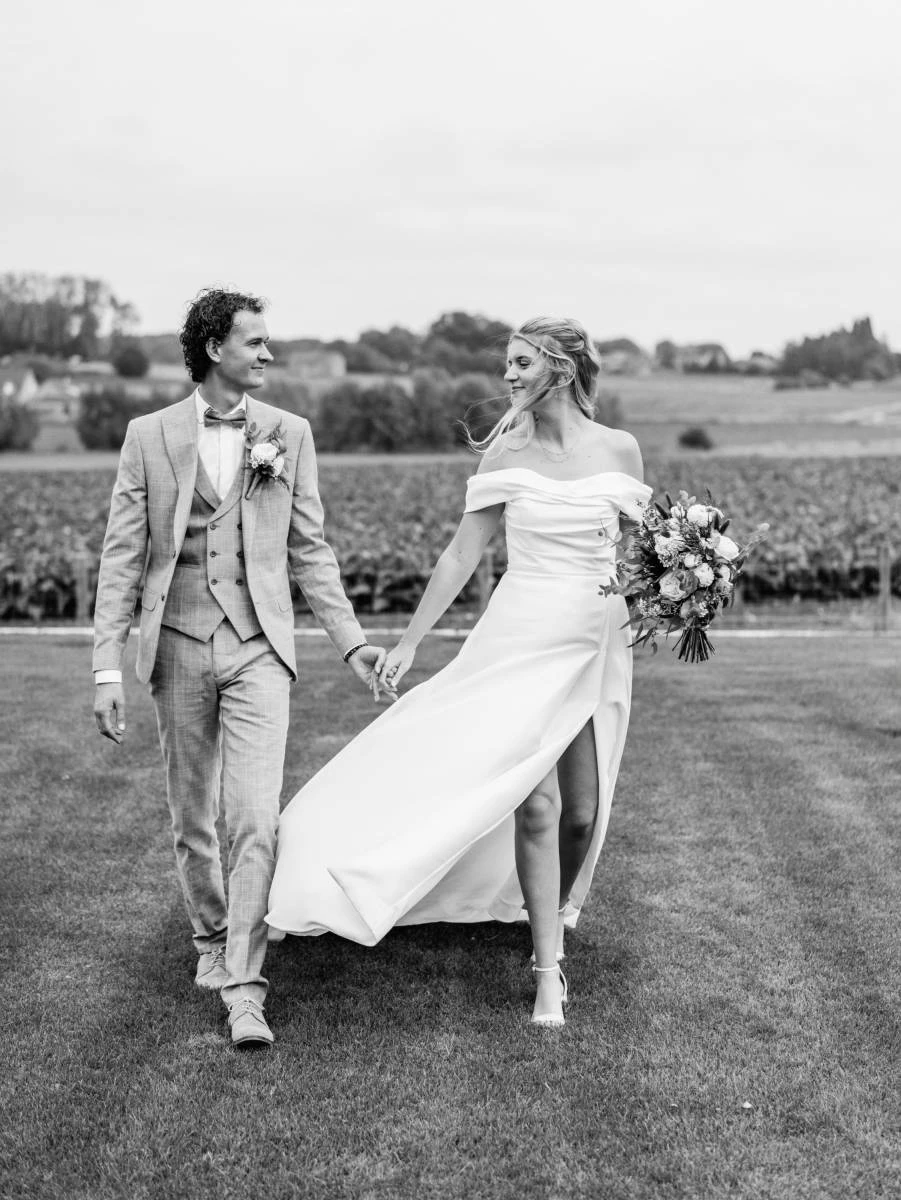
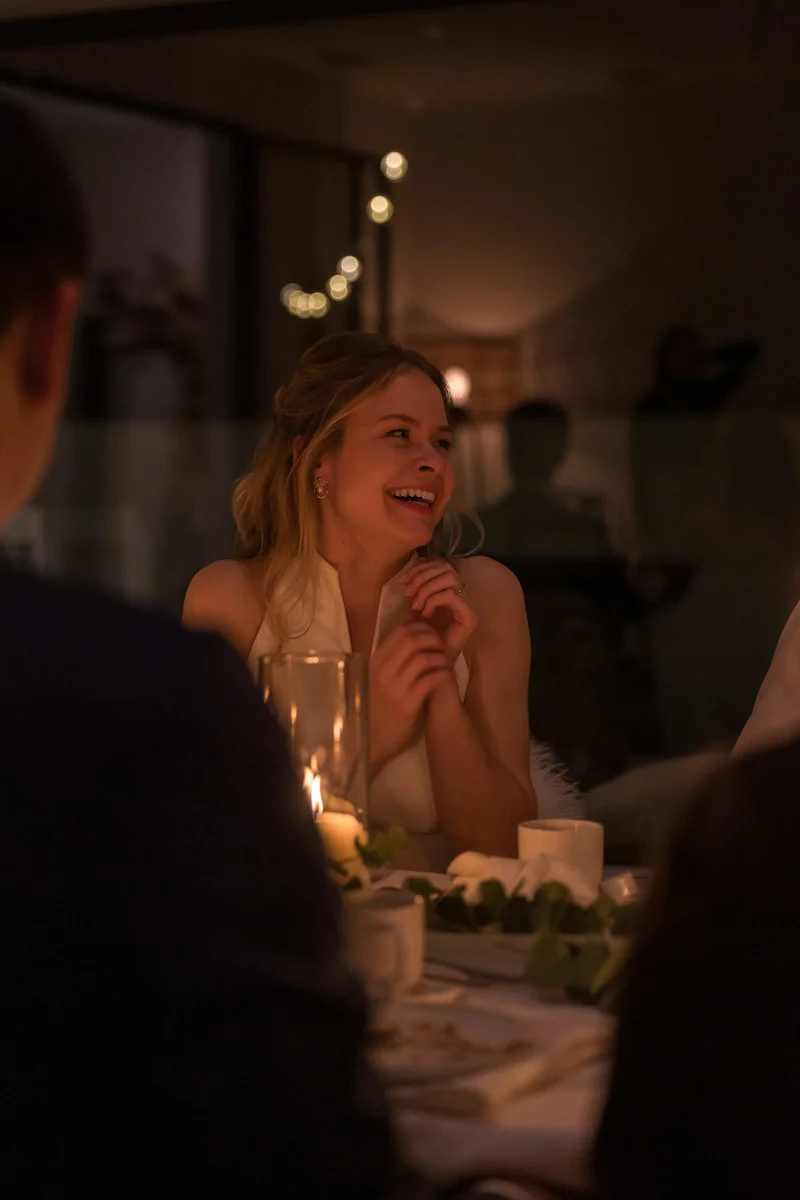
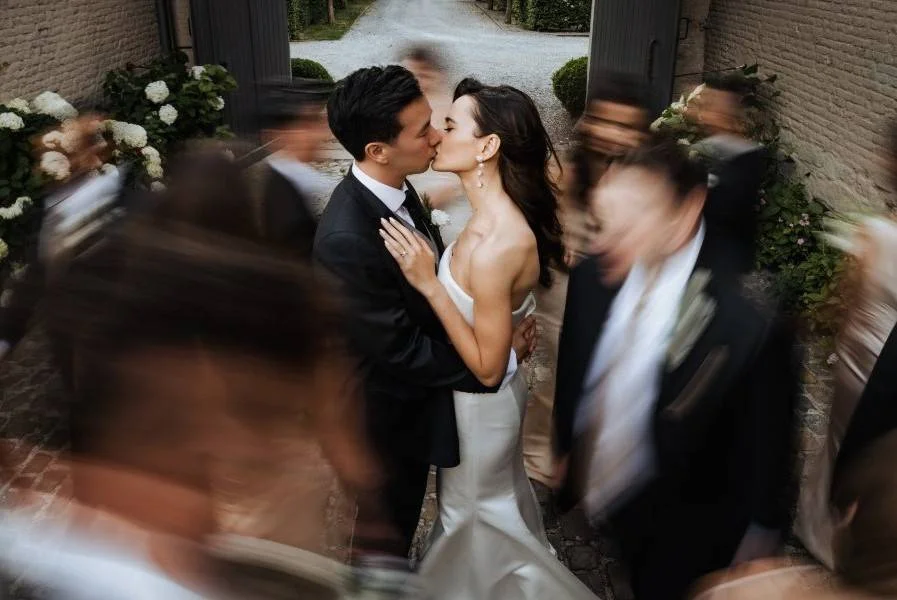
When choosing a photographer in West Flanders, you should base your decision on their photographic style, their experience in wedding or event photography, and the rapport you feel during your first meeting. On House of Weddings, you’ll find only verified photographers with a quality label, working in Bruges, Kortrijk, Ostend and Roeselare, amongst other places. The right wedding or event photographer will capture your most beautiful moments in the style that suits you: against a centuries-old façade in Bruges city centre, with the waves and the coastal horizon in the background, or amongst the tranquil polders inland. Browse their portfolios and easily request a quote from your favourite photographer.Read more
When choosing a photographer in West Flanders, you should base your decision on their photographic style, their experience in wedding or event photography, and the rapport you feel during your first meeting. On House of Weddings, you’ll find only verified photographers with a quality label, working in Bruges, Kortrijk, Ostend and Roeselare, amongst other places. The right wedding or event photographer will capture your most beautiful moments in the style that suits you: against a centuries-old façade in Bruges city centre, with the waves and the coastal horizon in the background, or amongst the tranquil polders inland. Browse their portfolios and easily request a quote from your favourite photographer.
A bit further away
Vendors near West Flanders
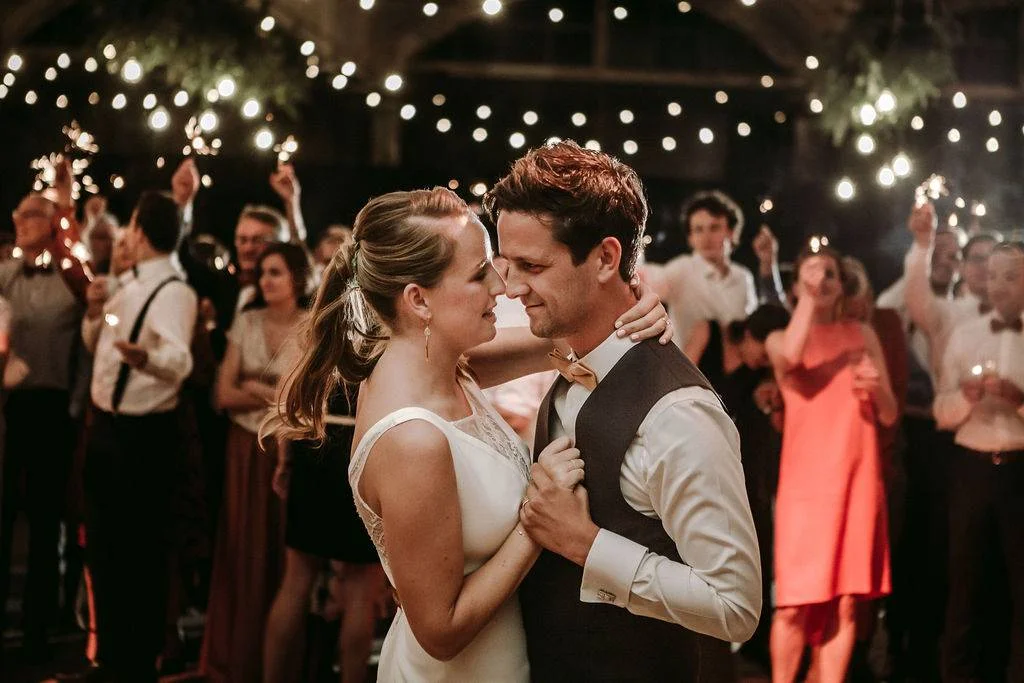

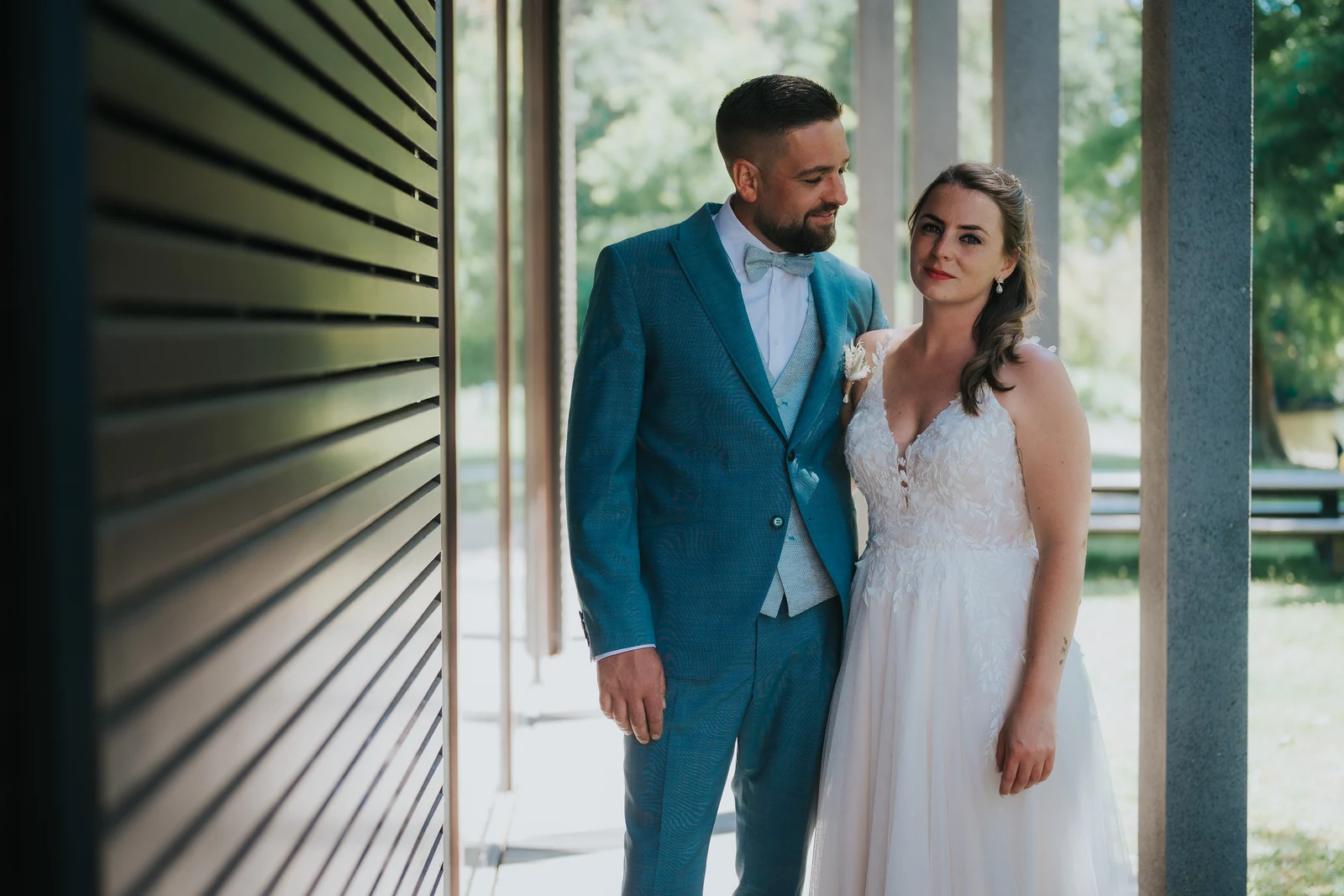
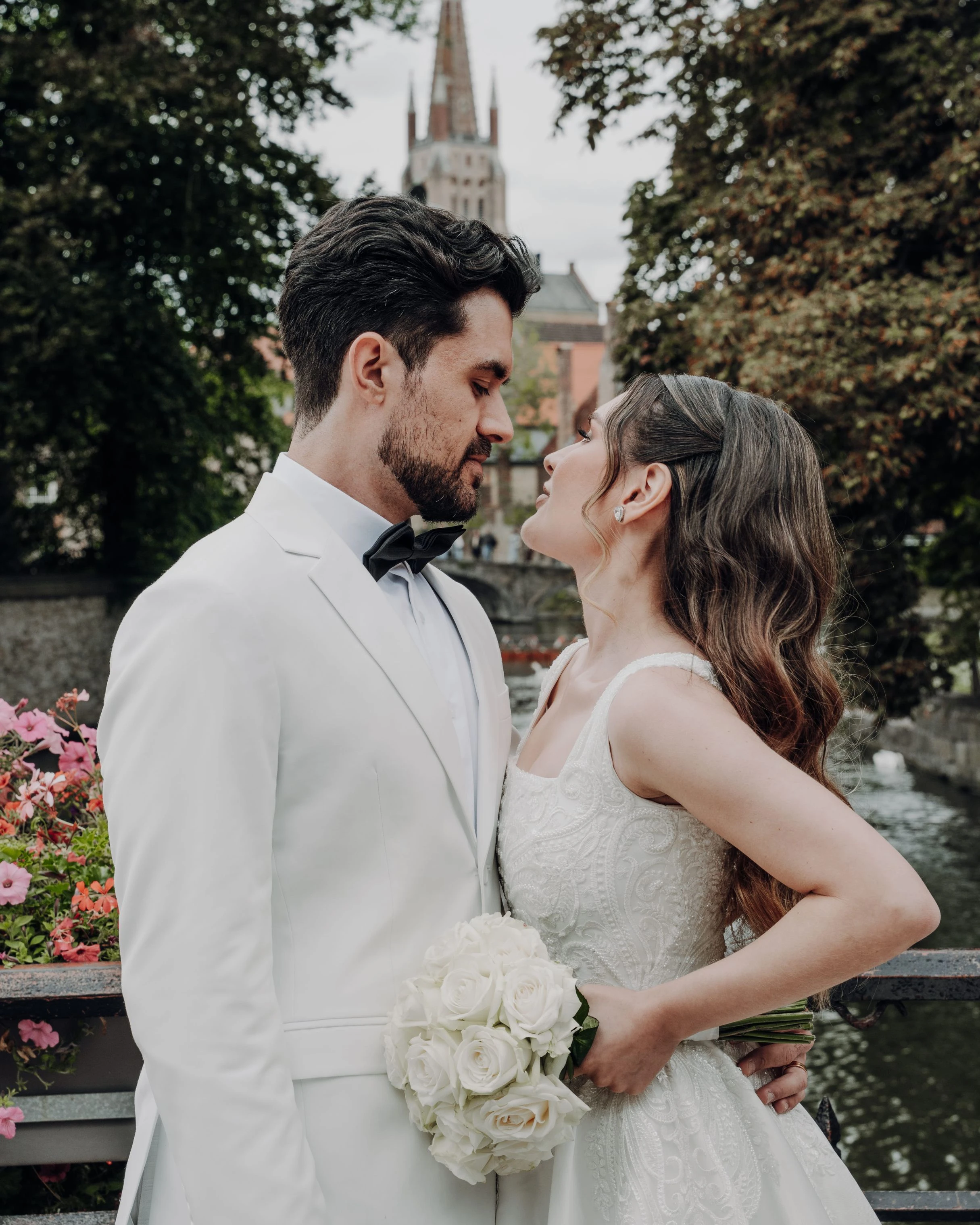
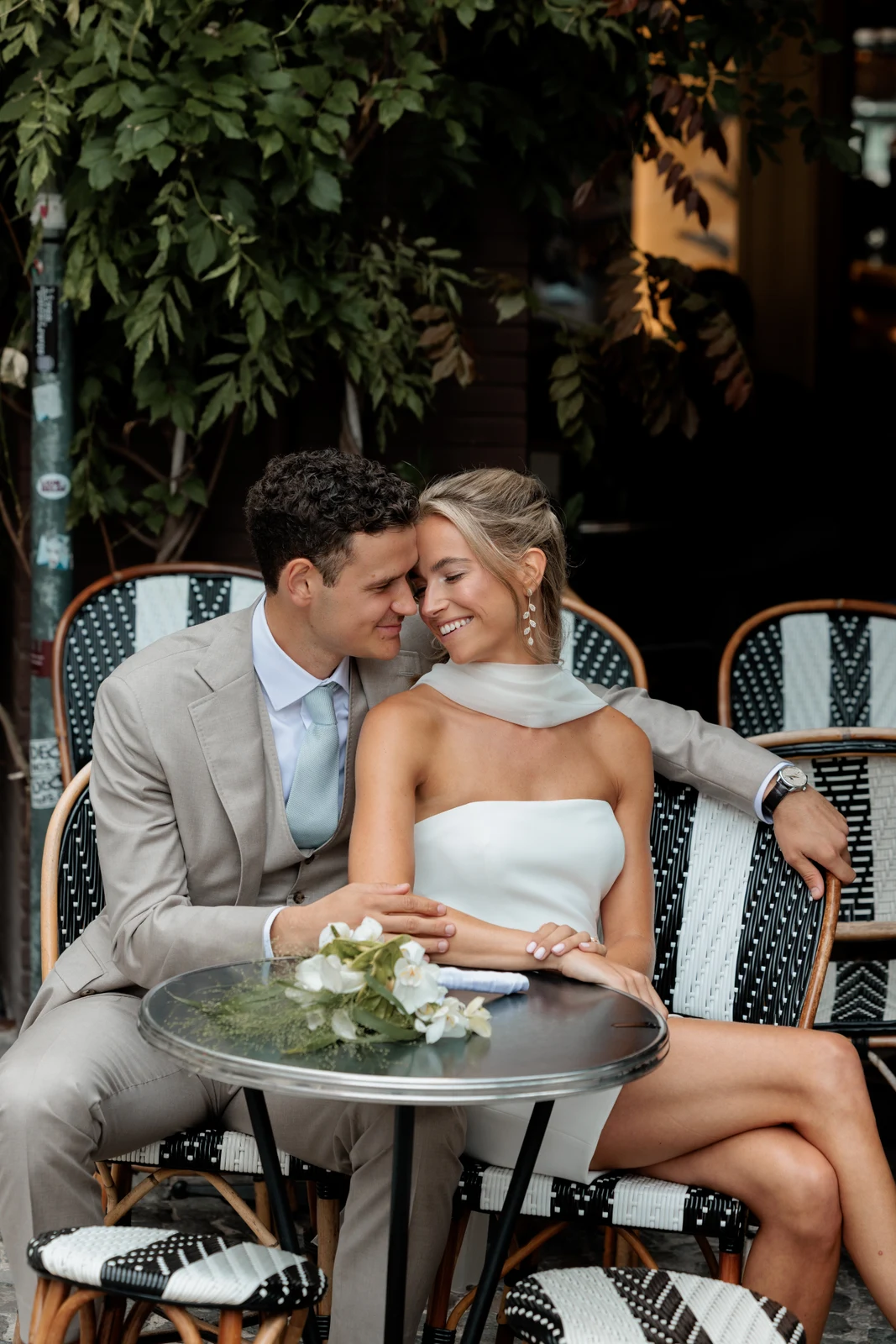
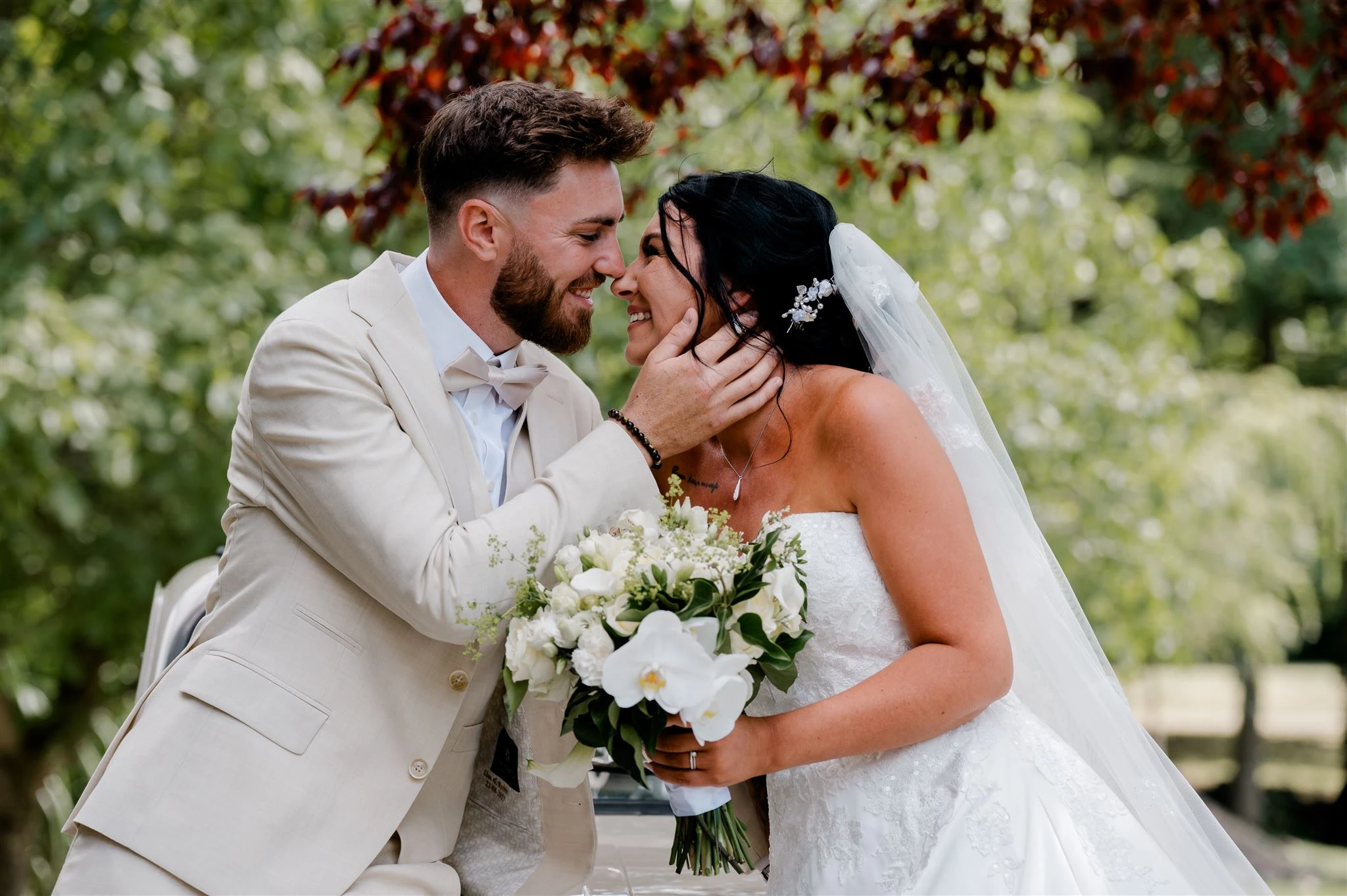
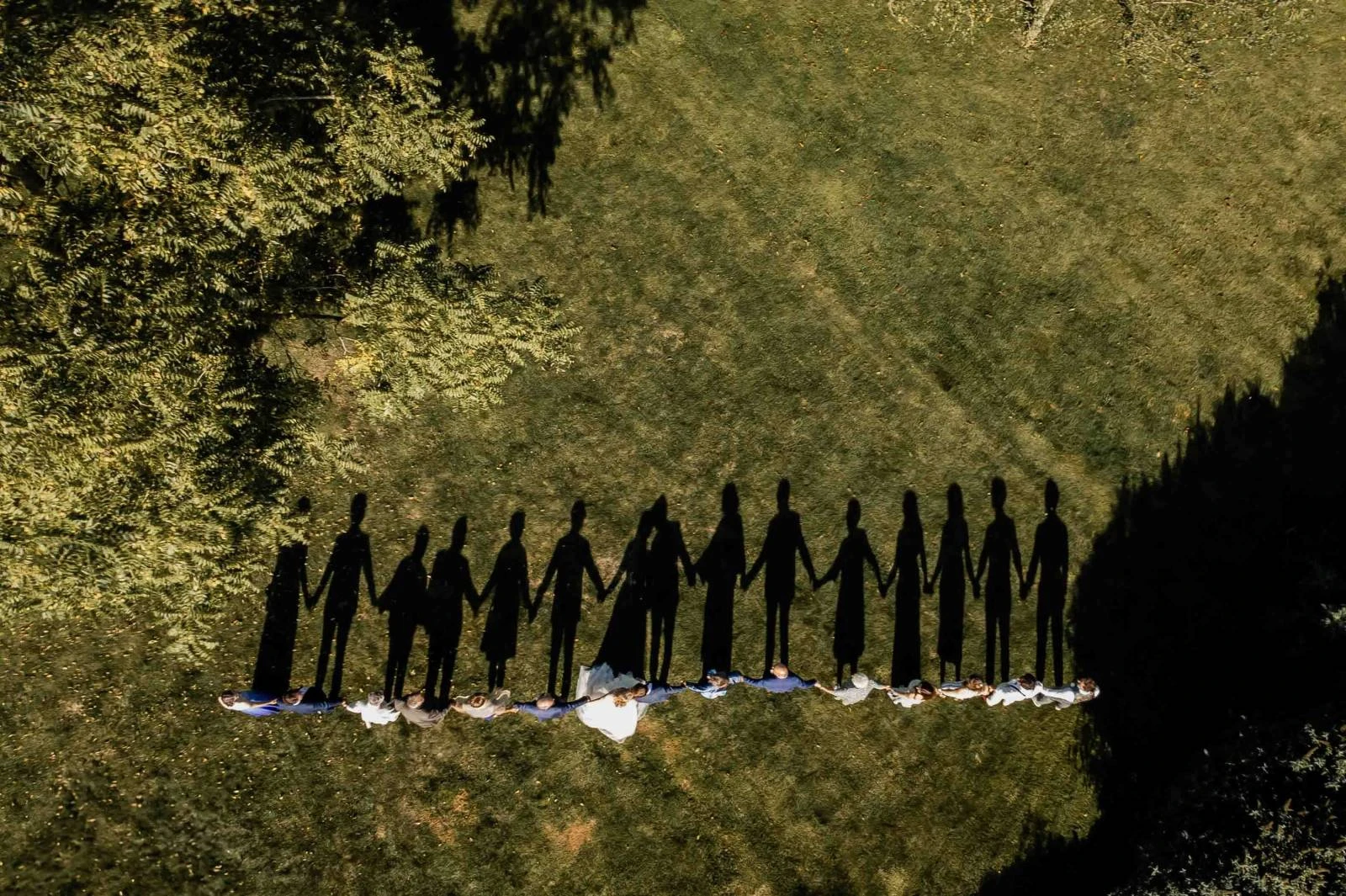
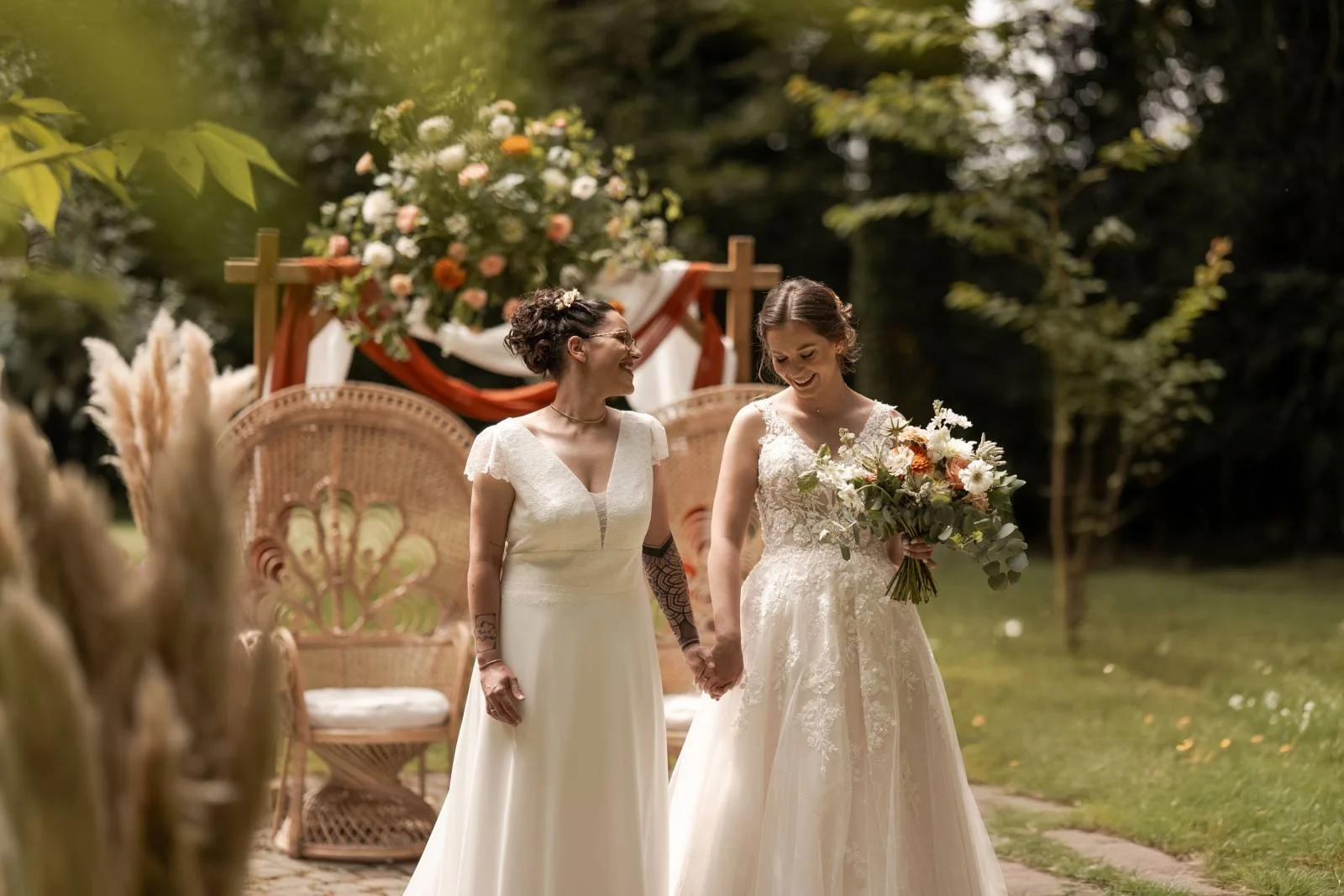
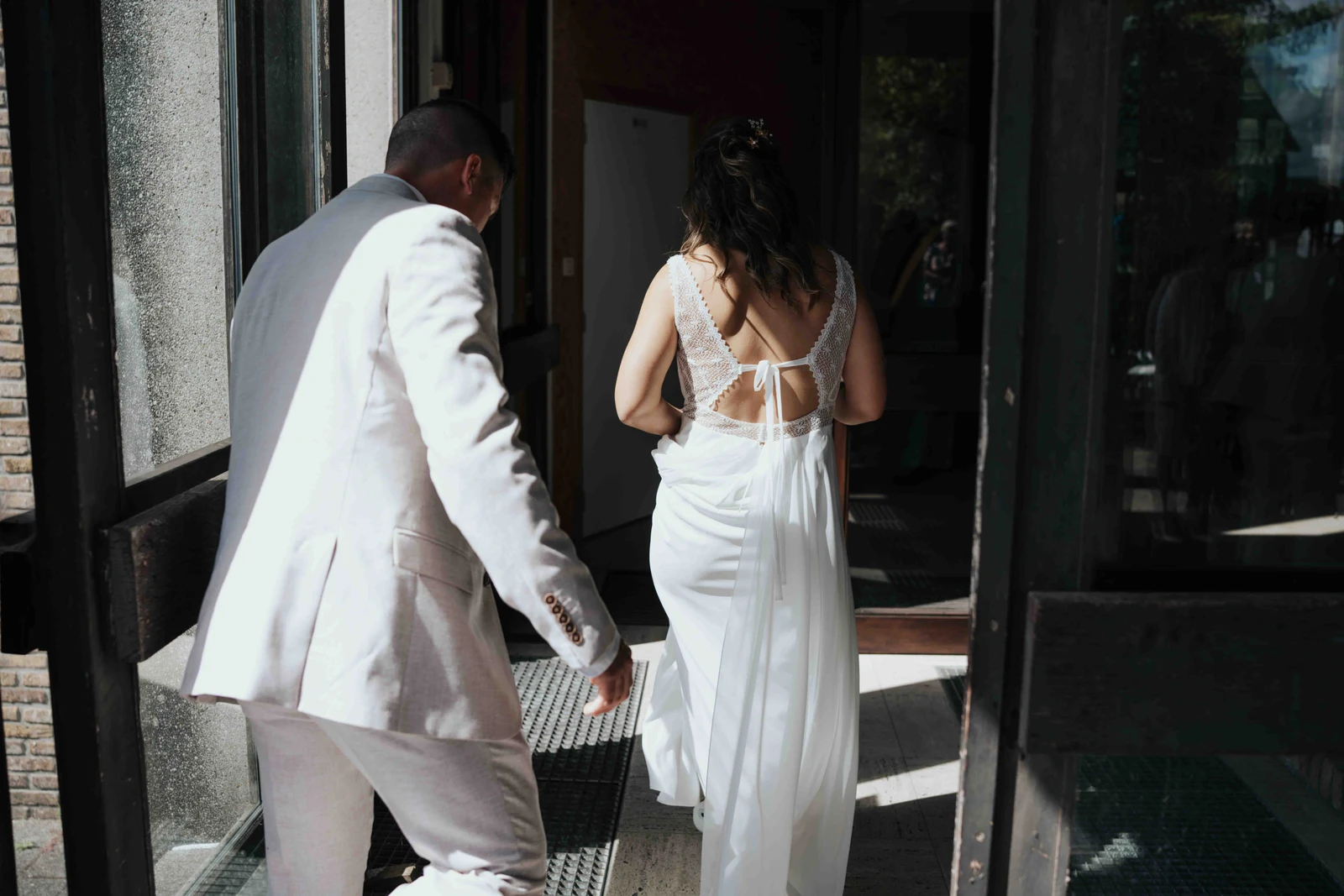
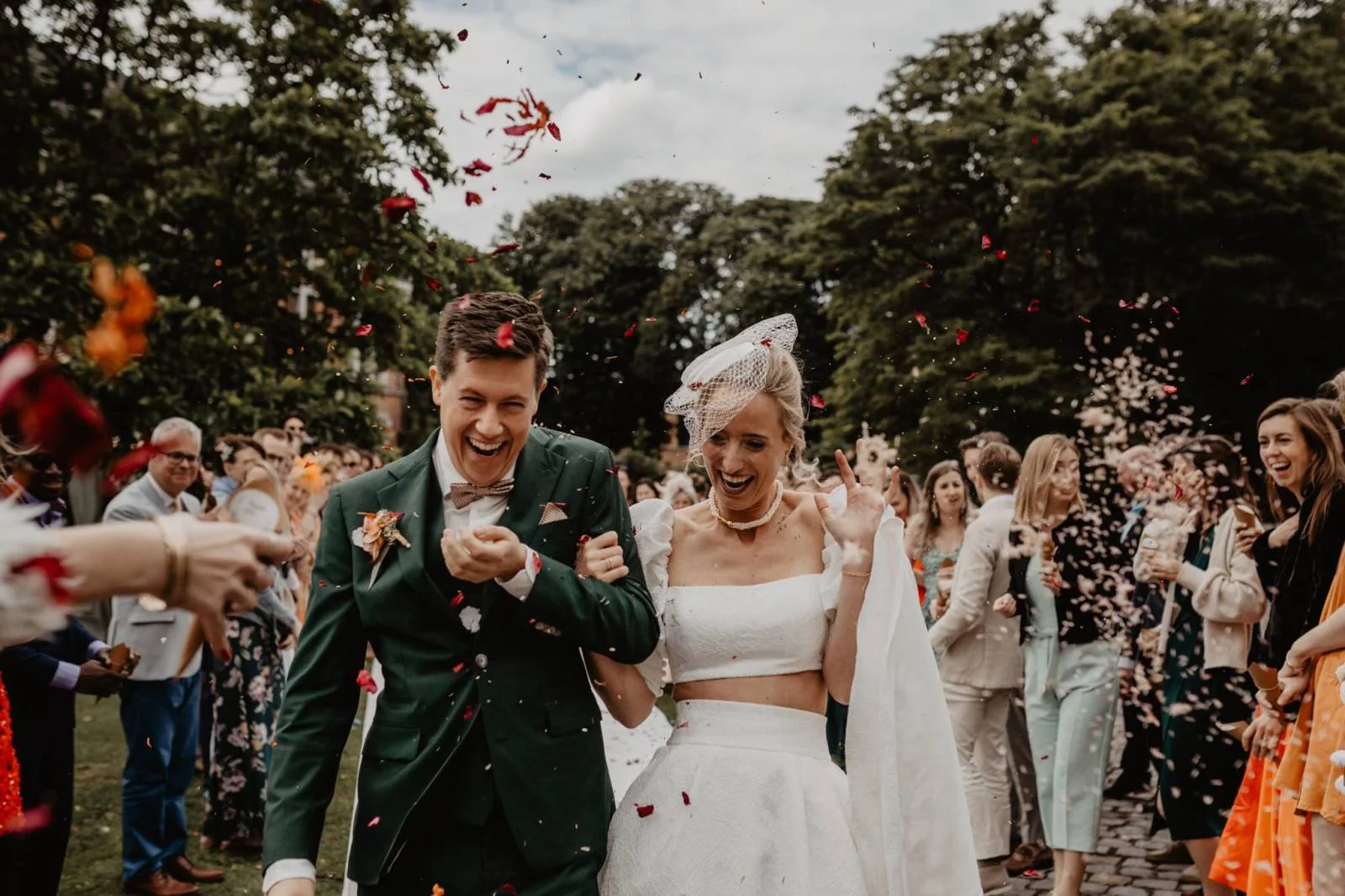
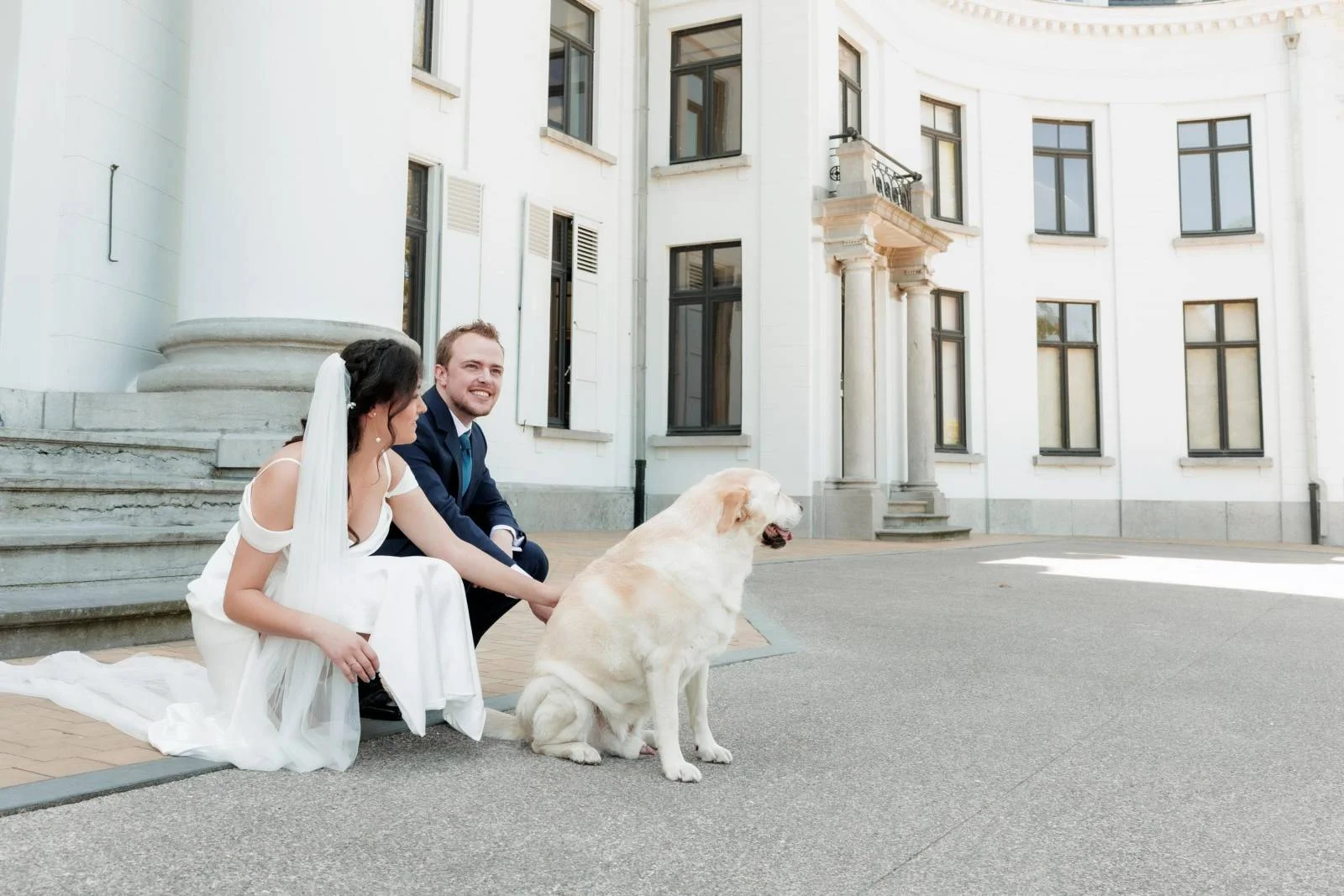
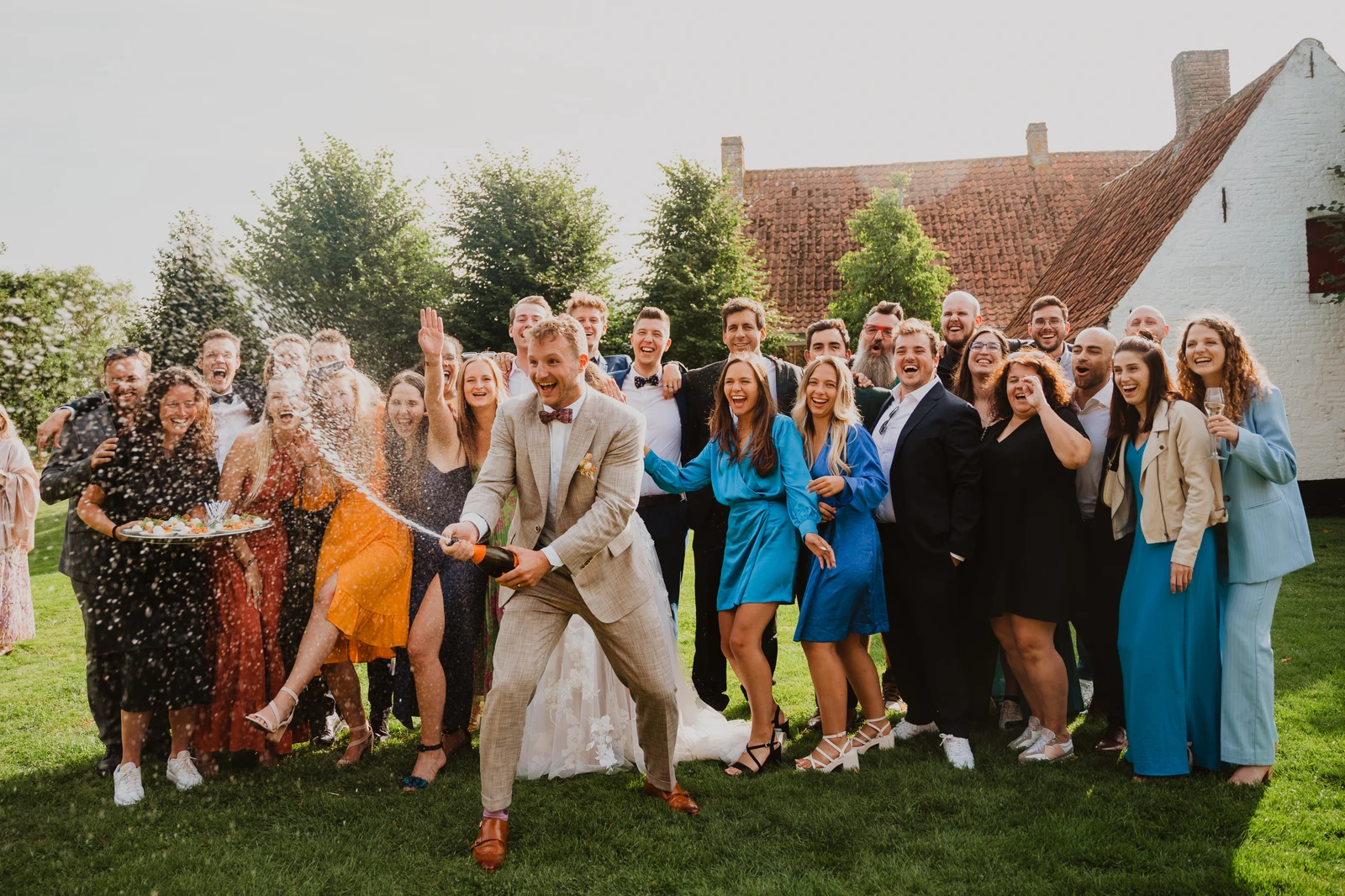
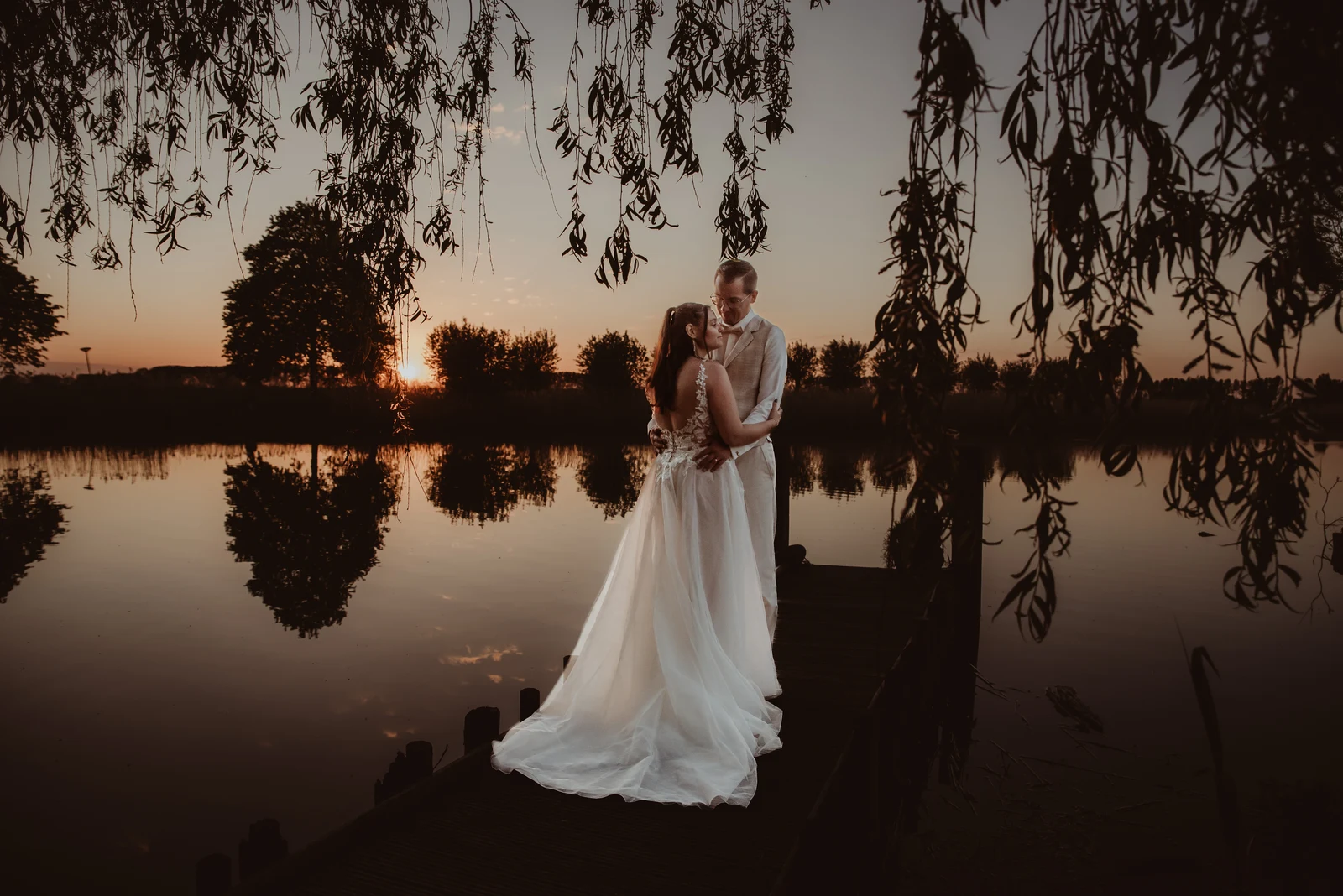
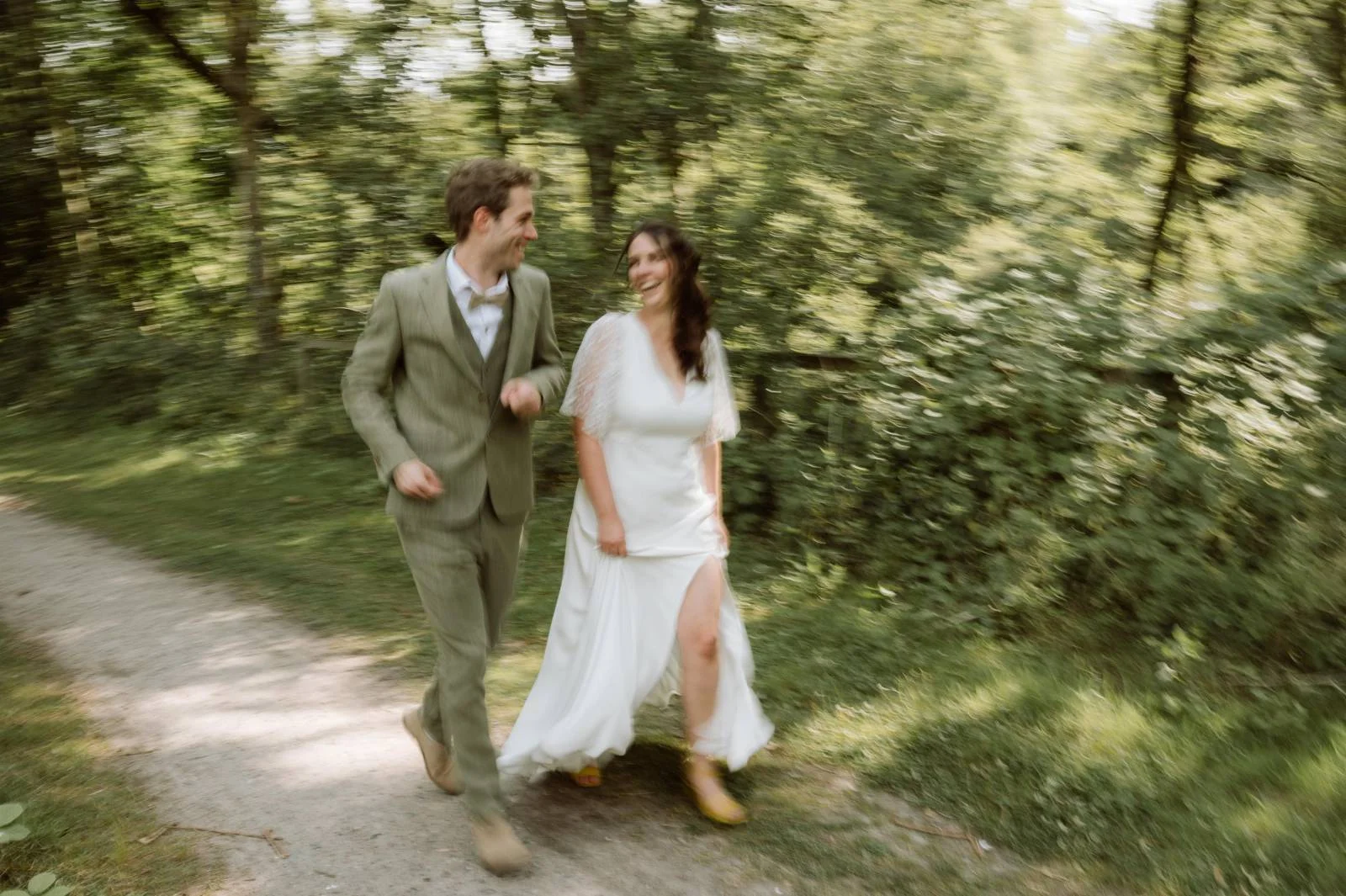
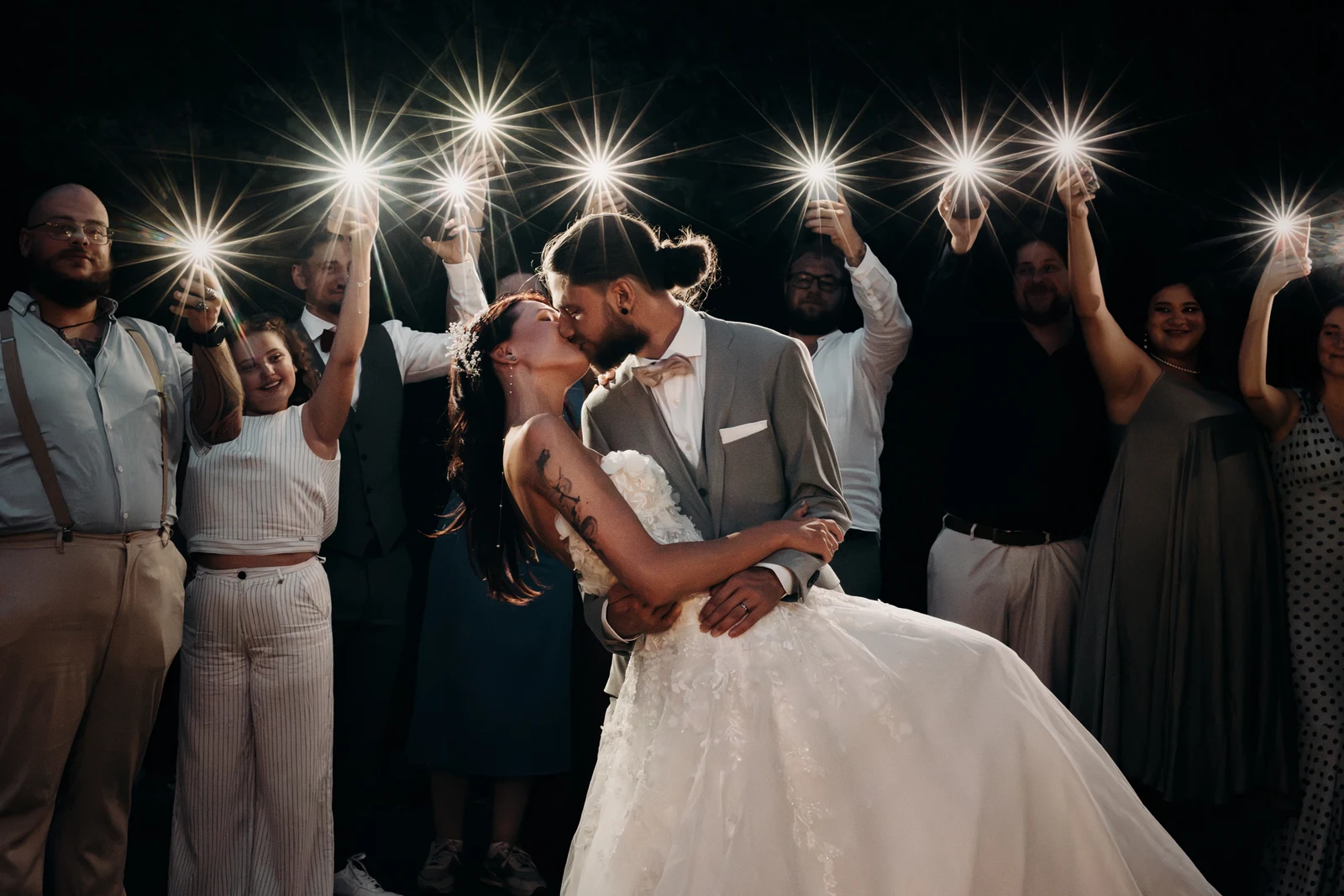
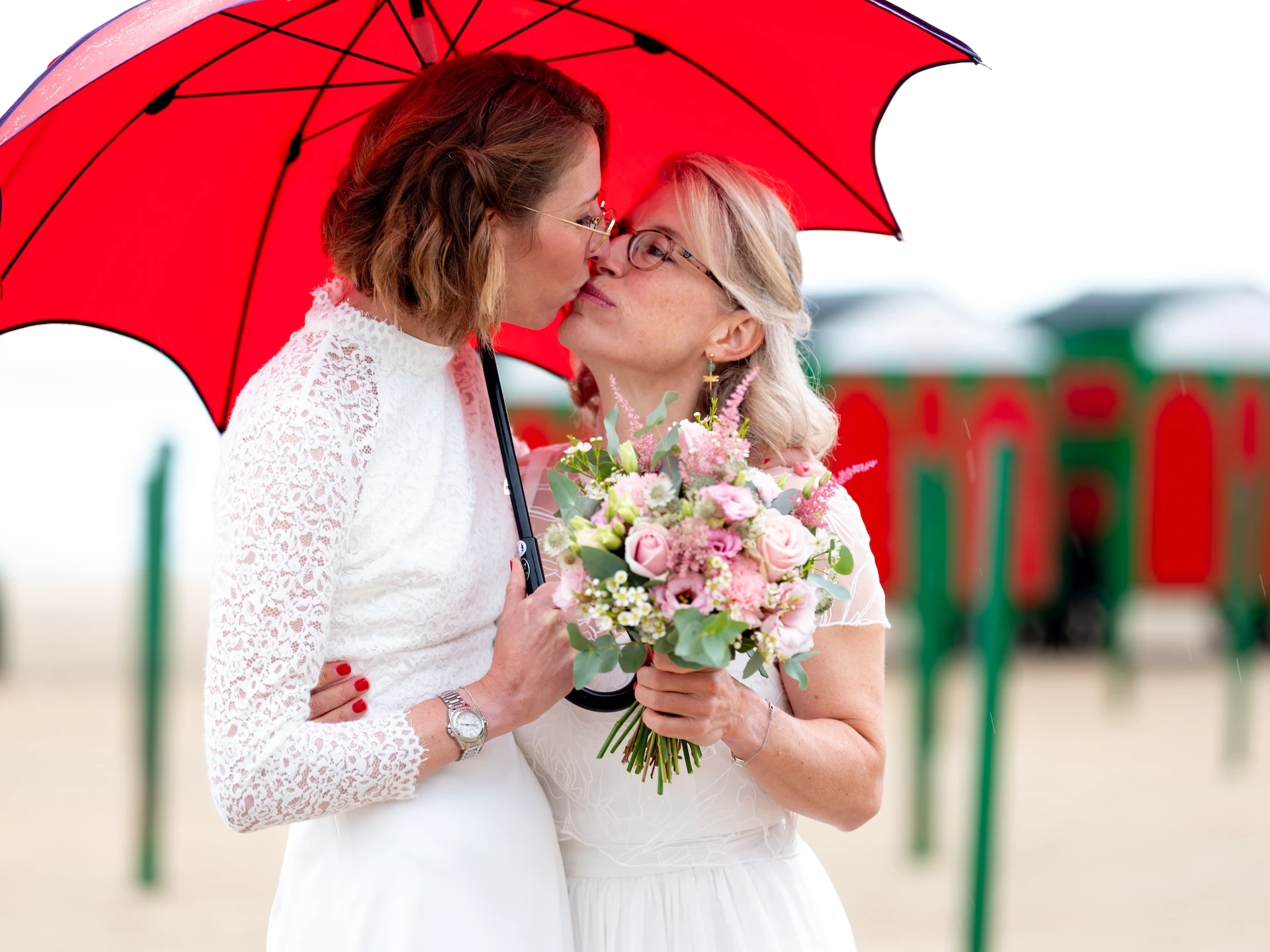
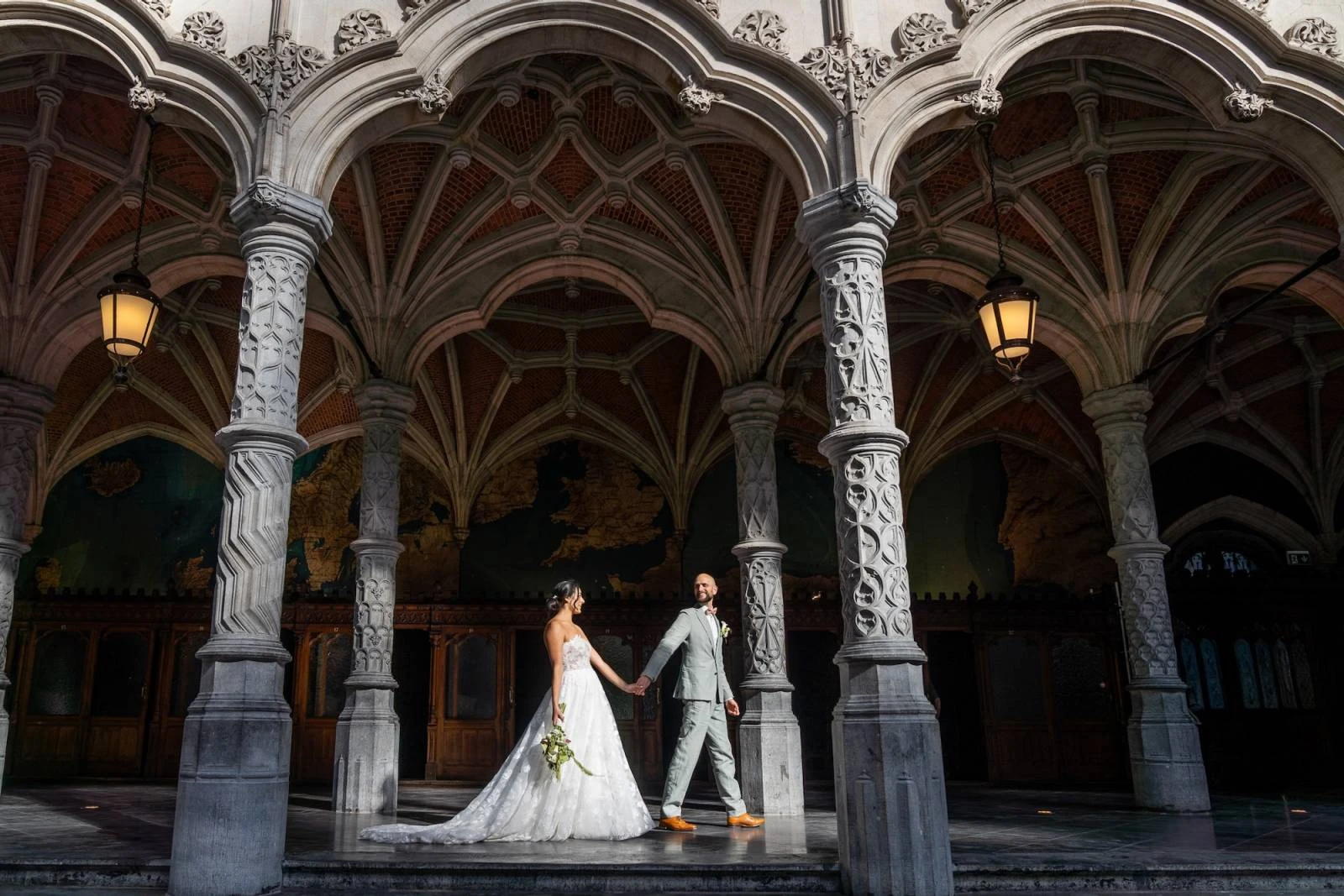
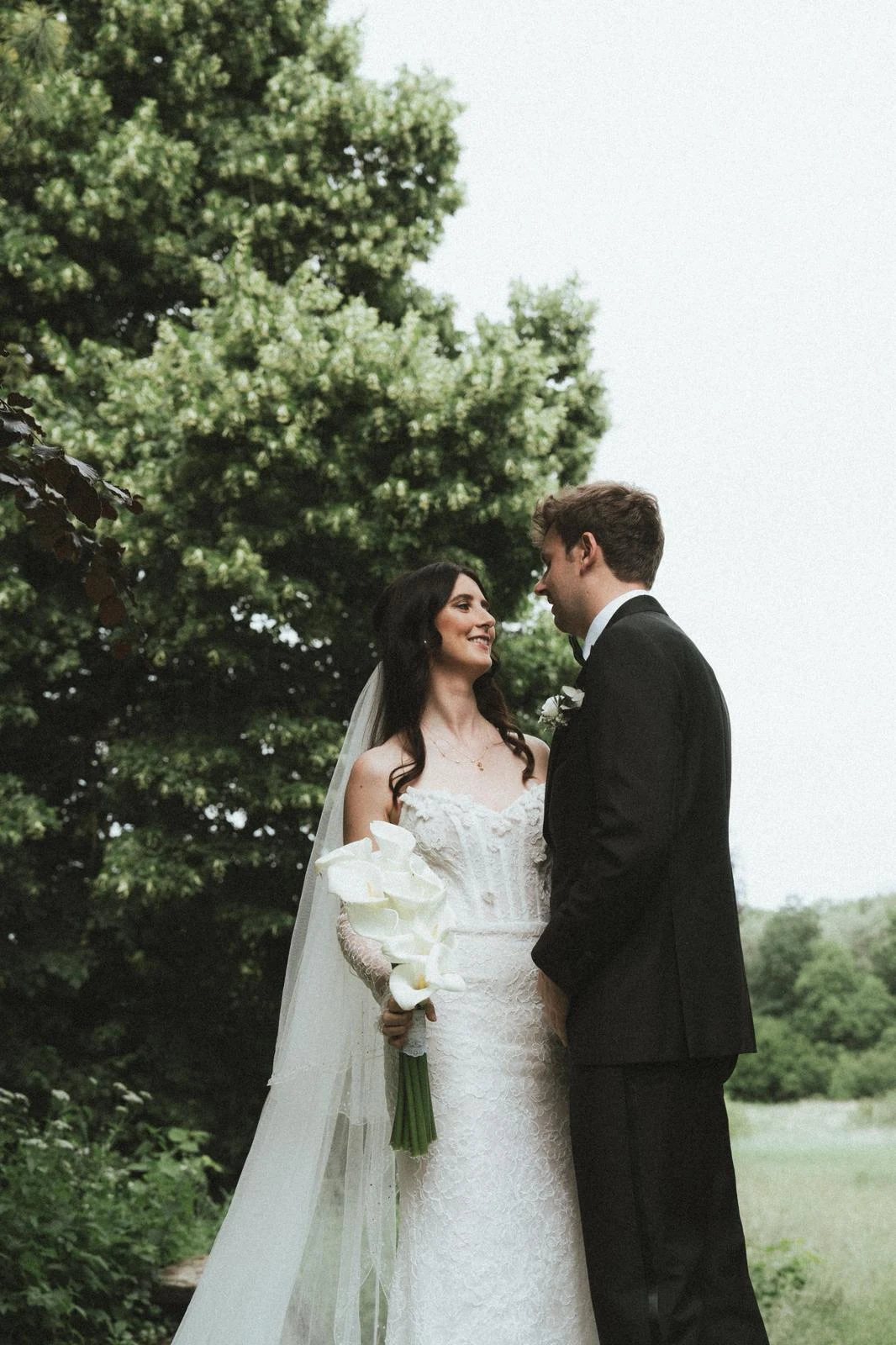
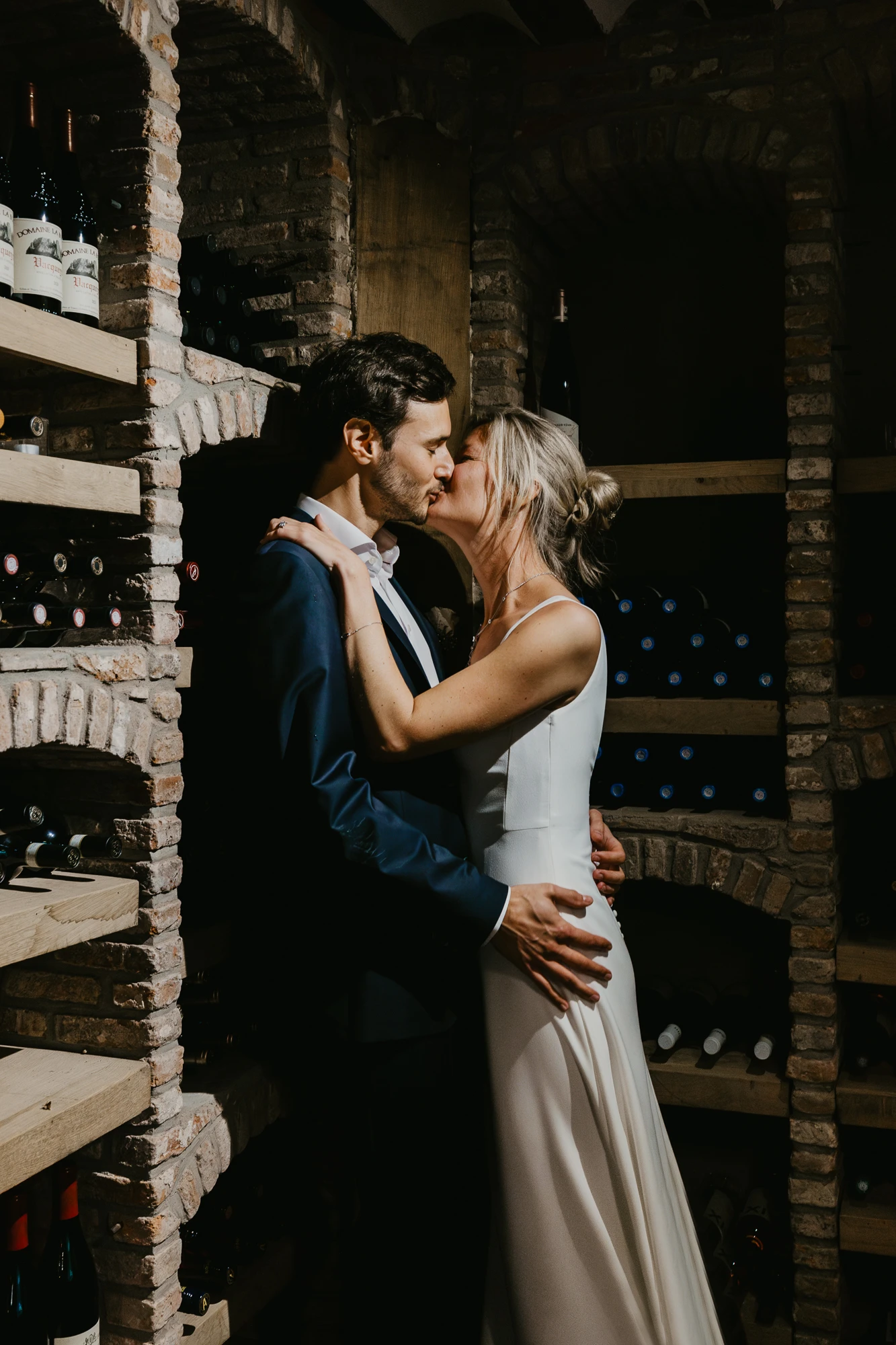
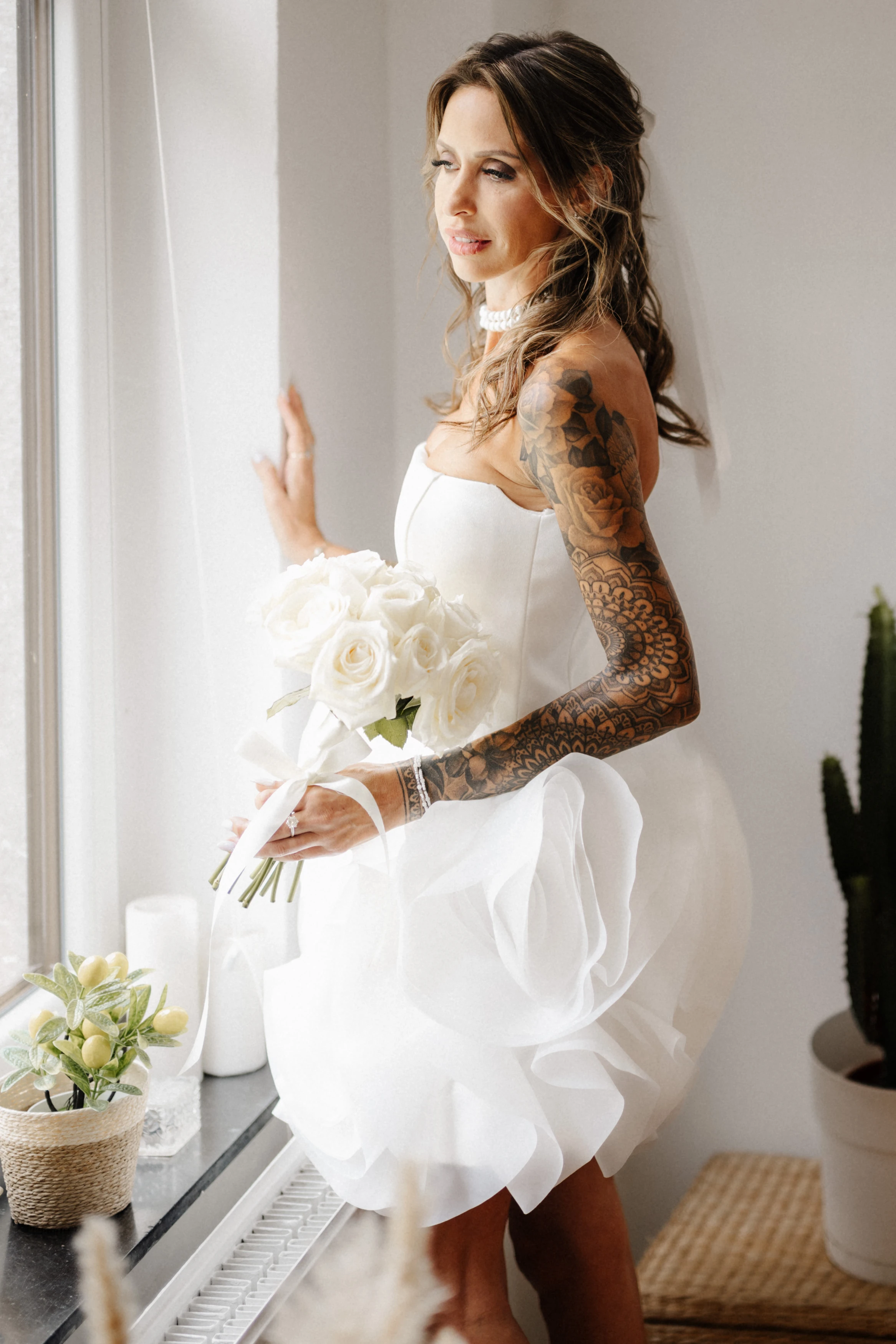
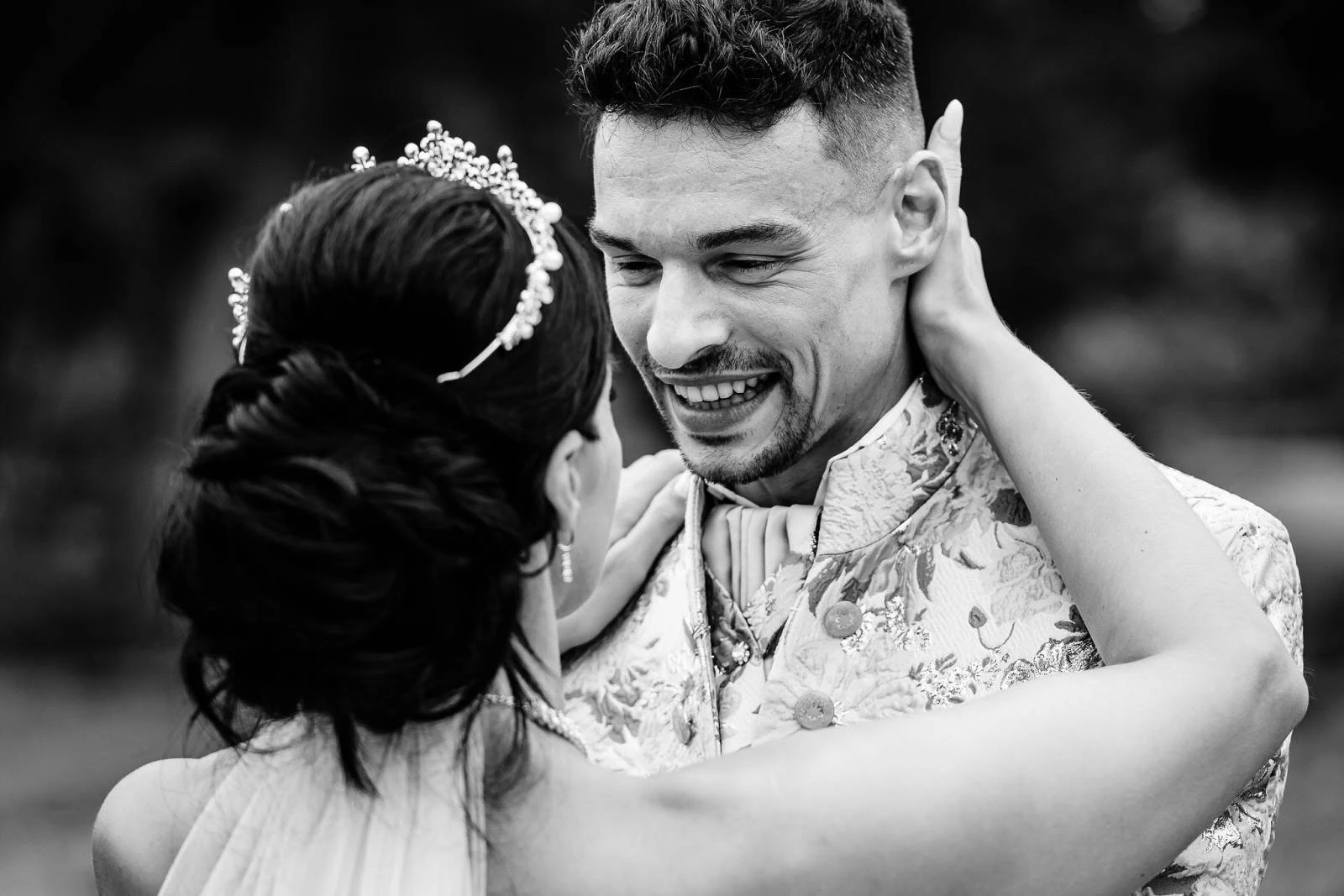
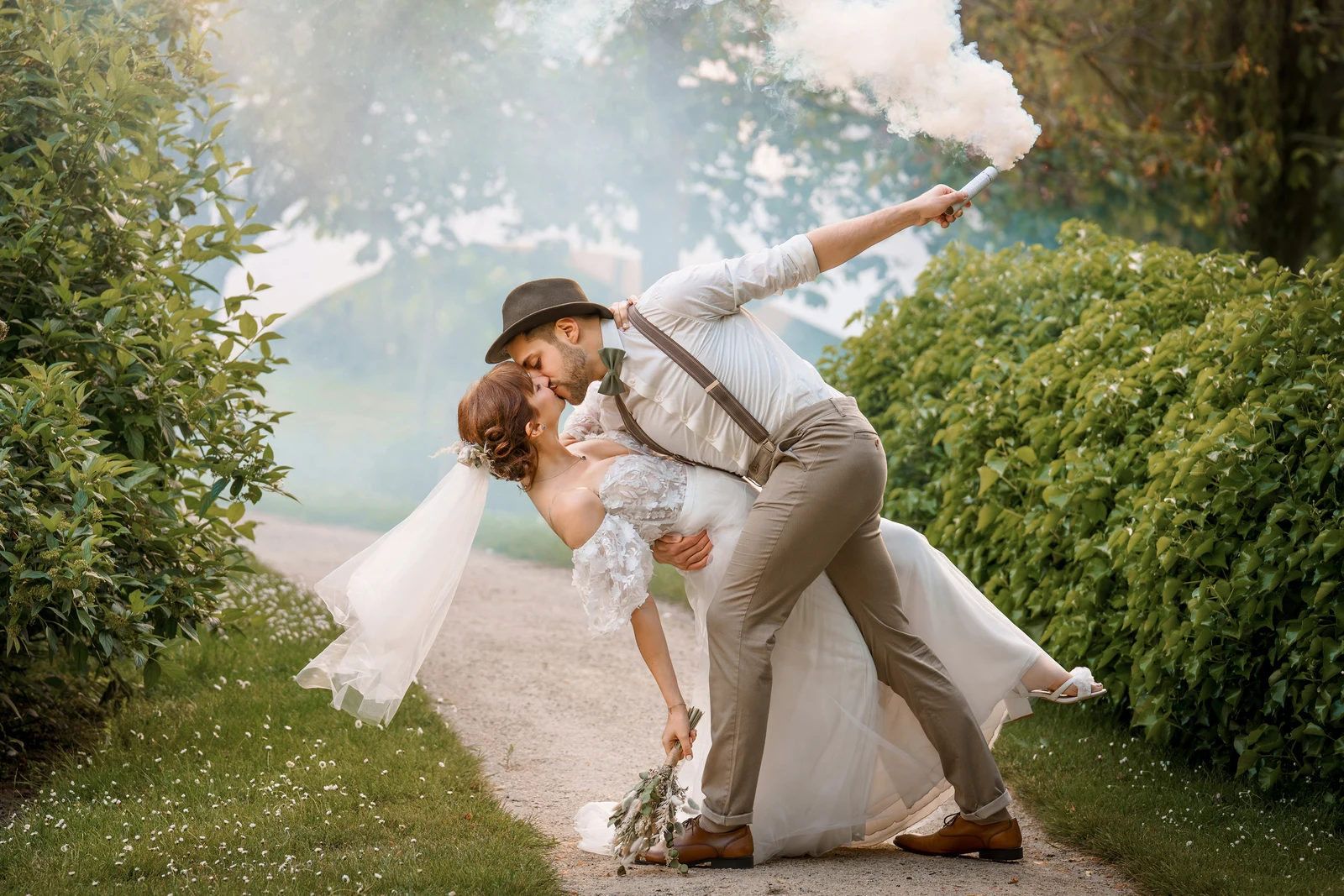
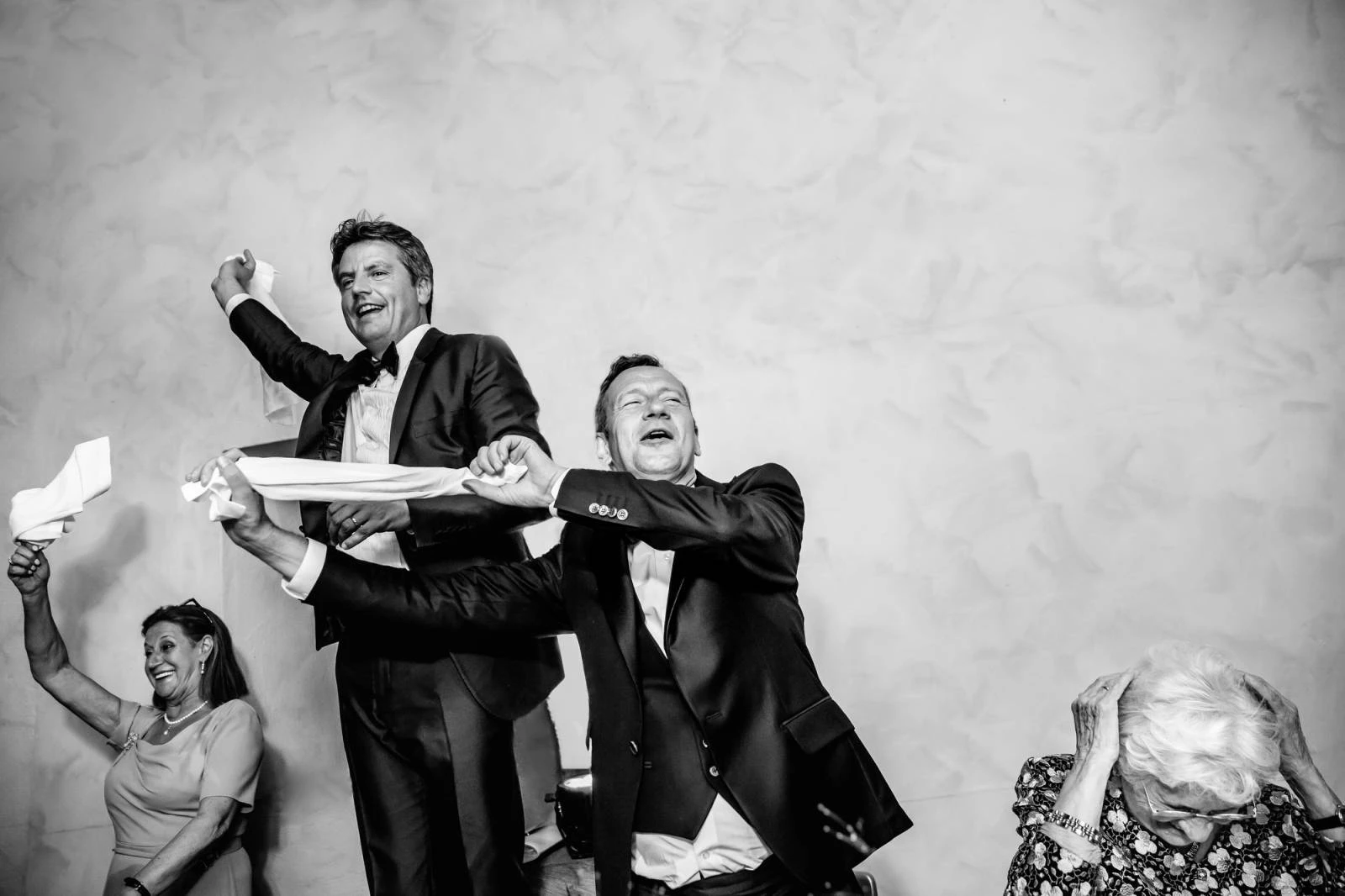
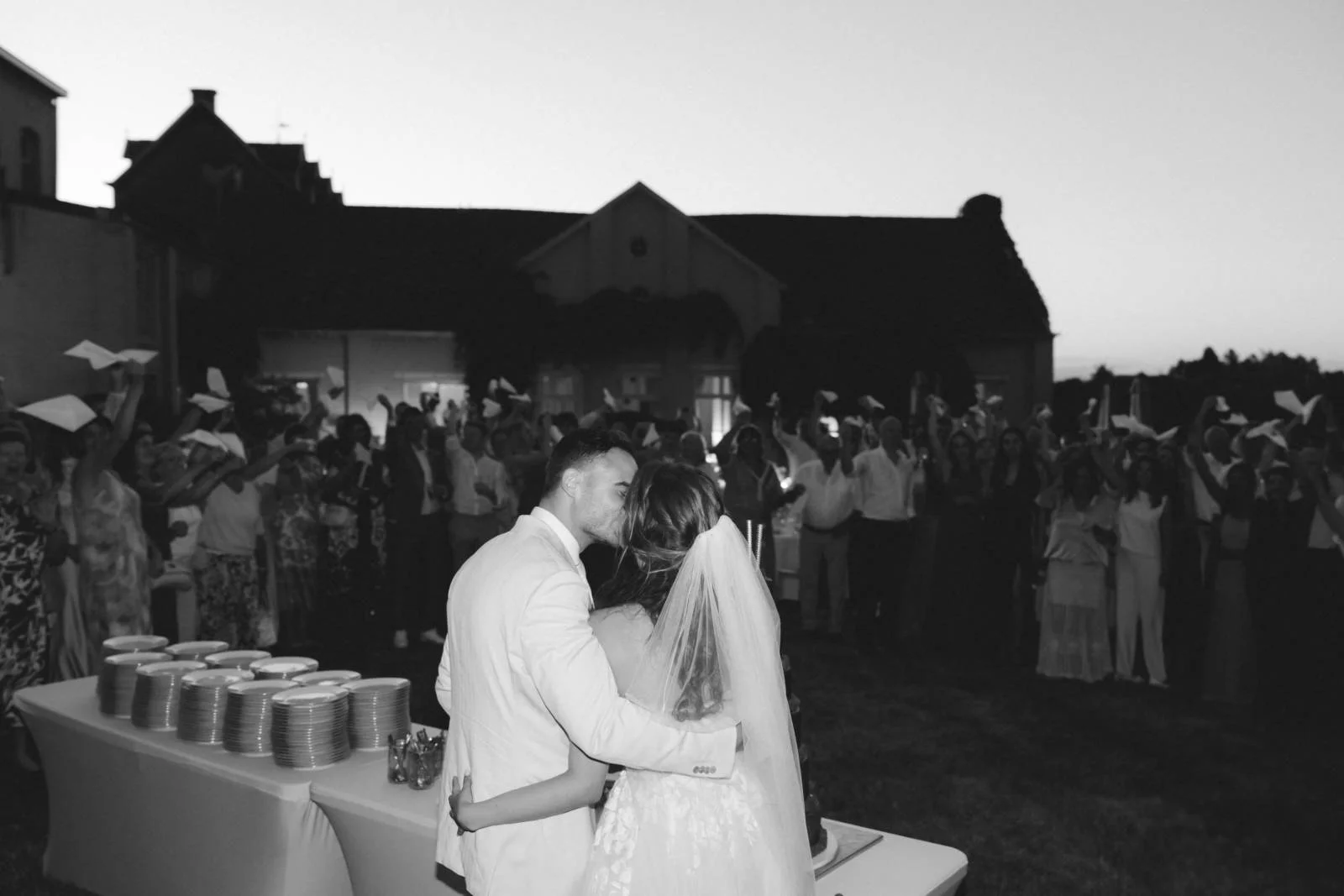
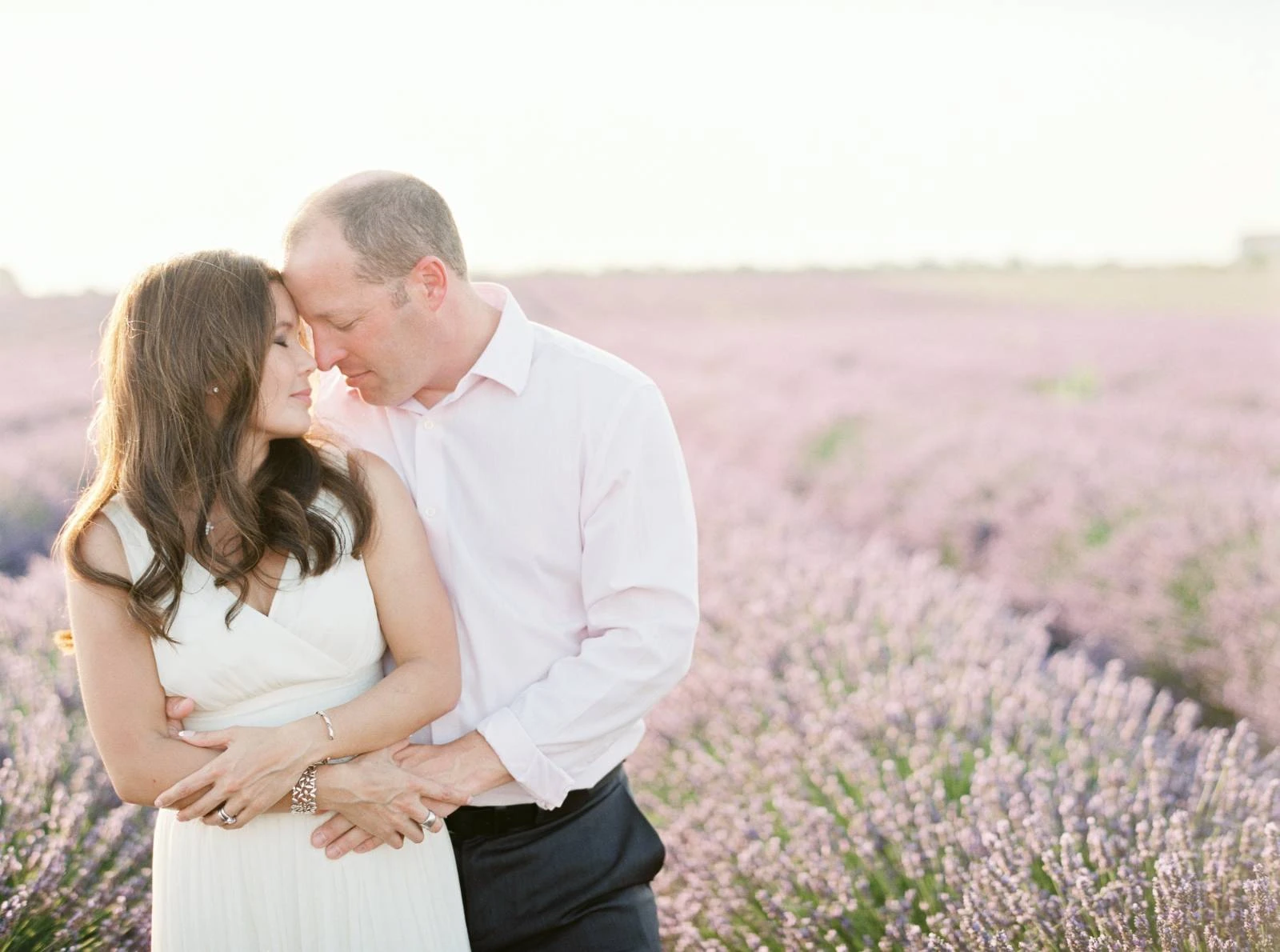

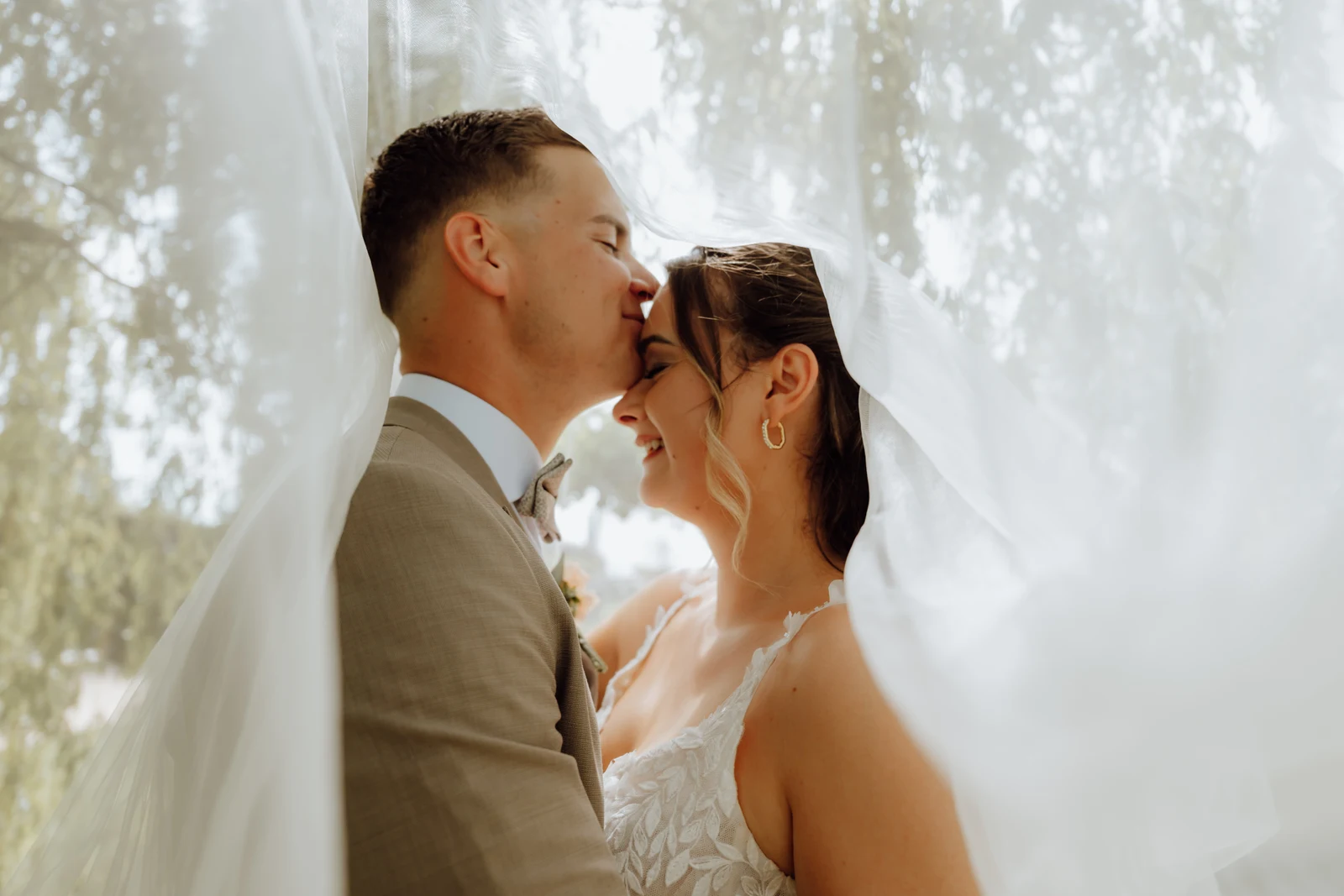
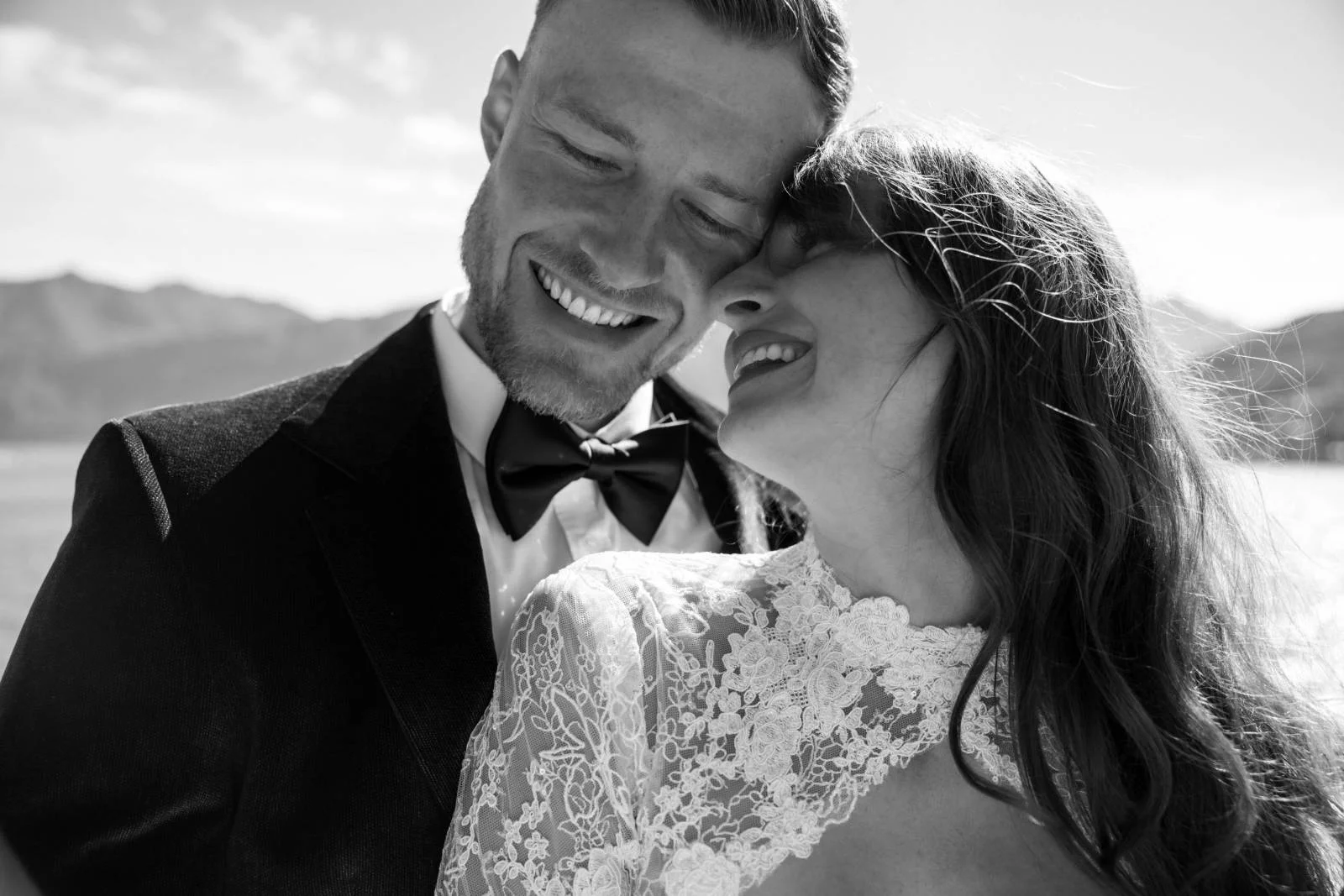
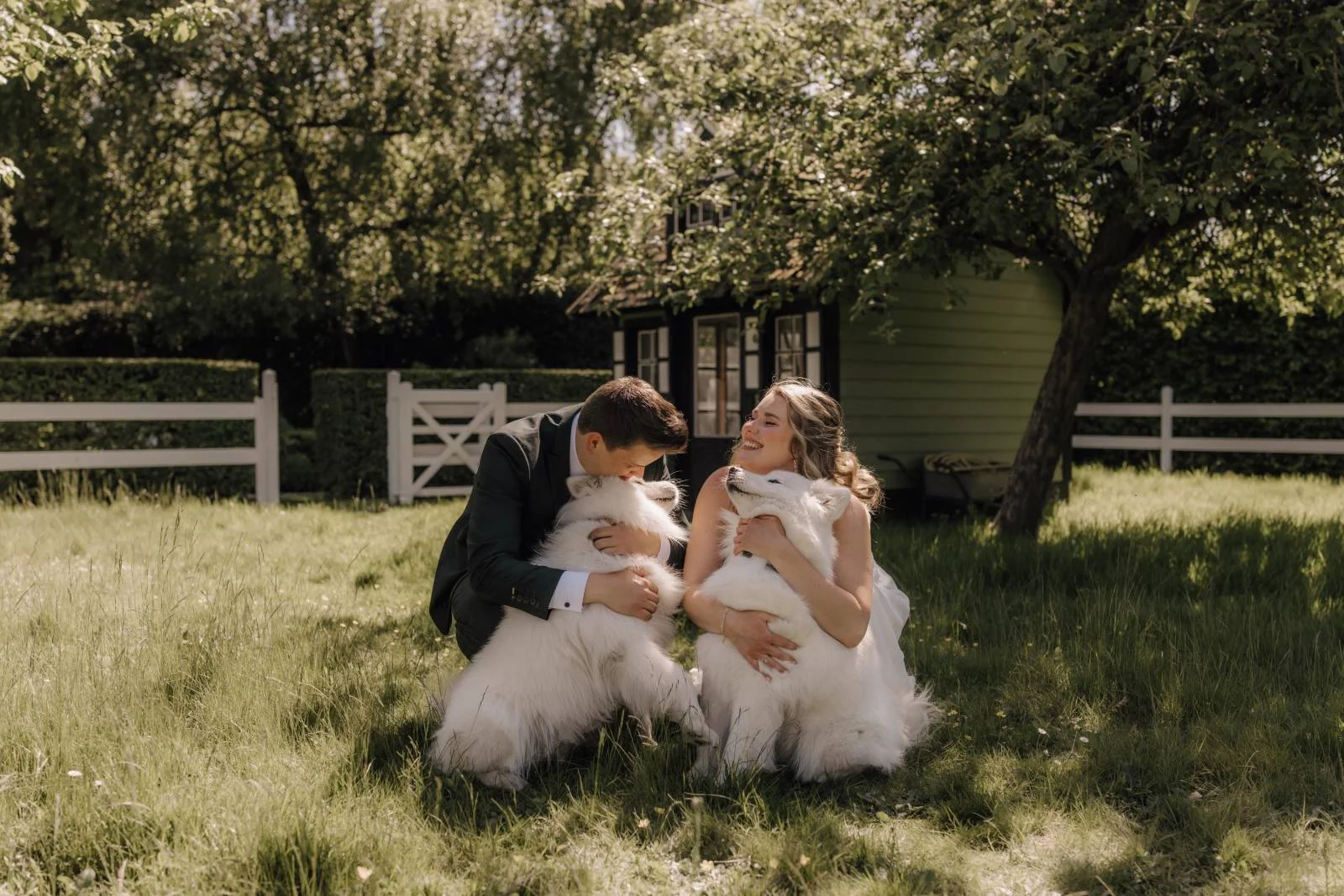
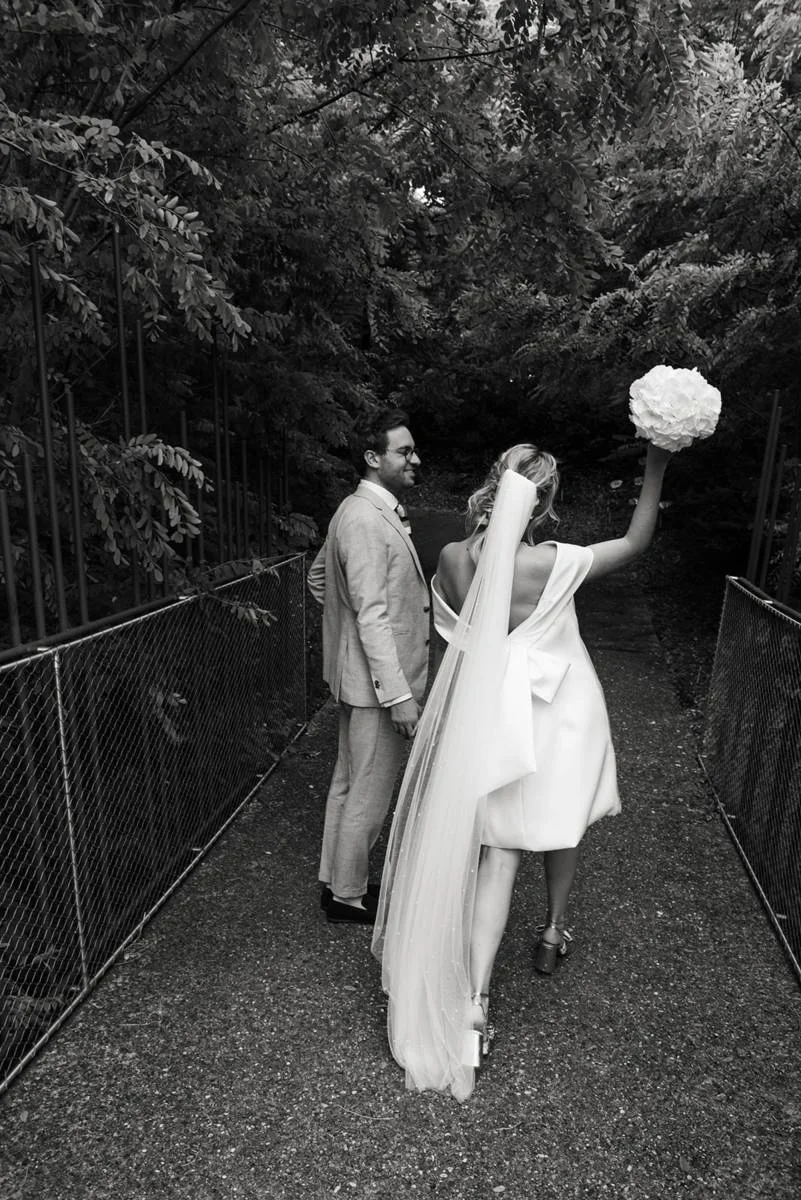
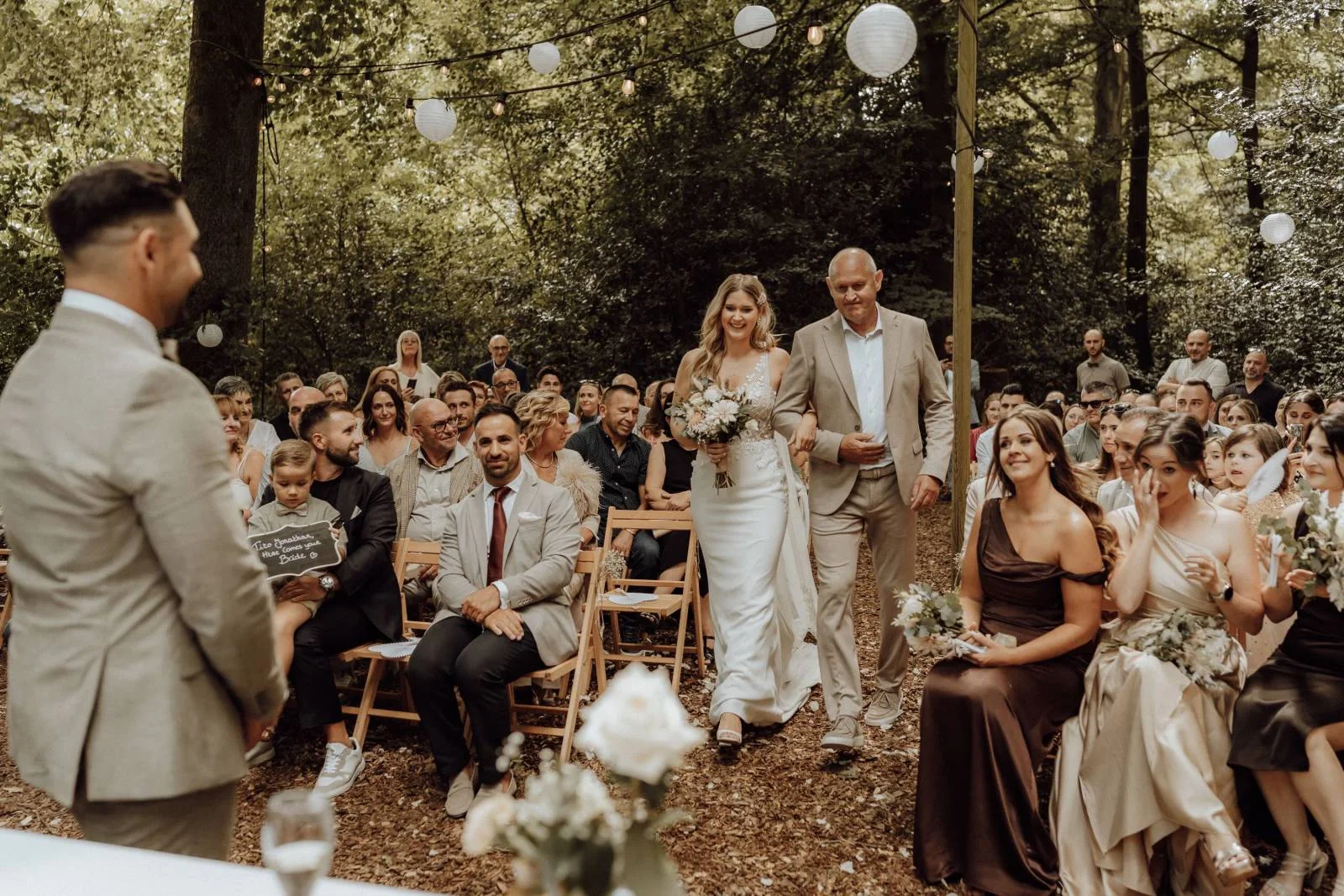
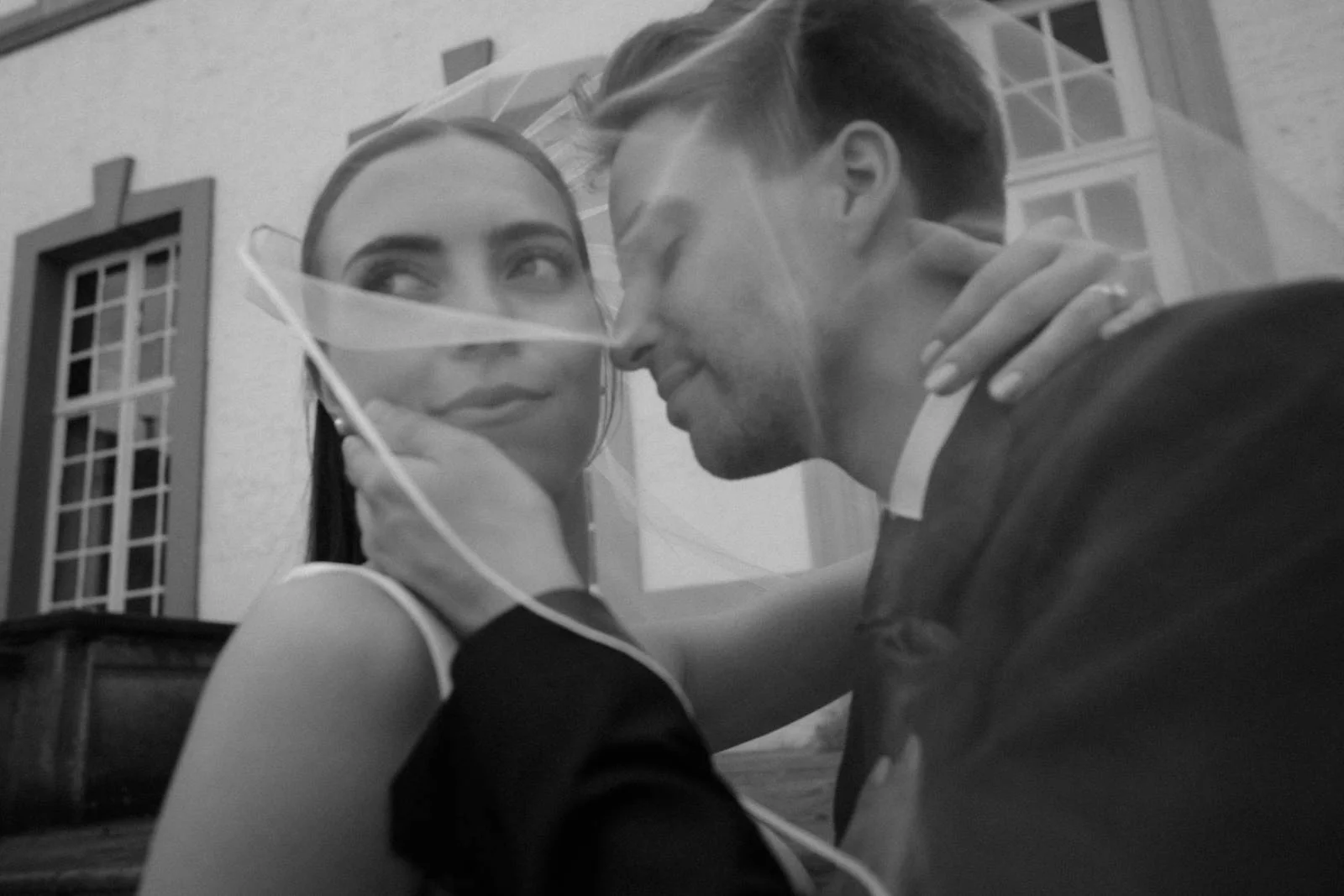
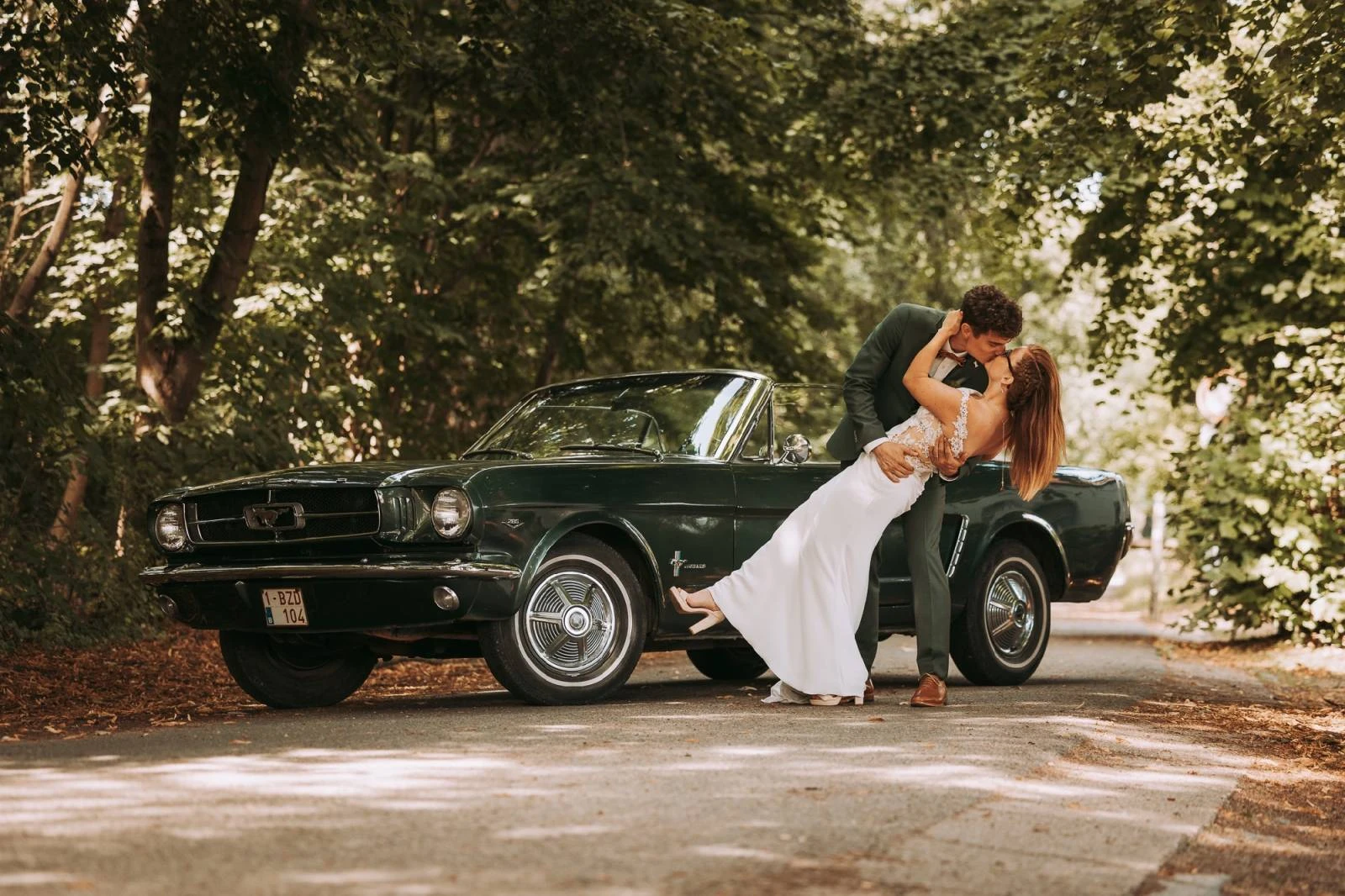
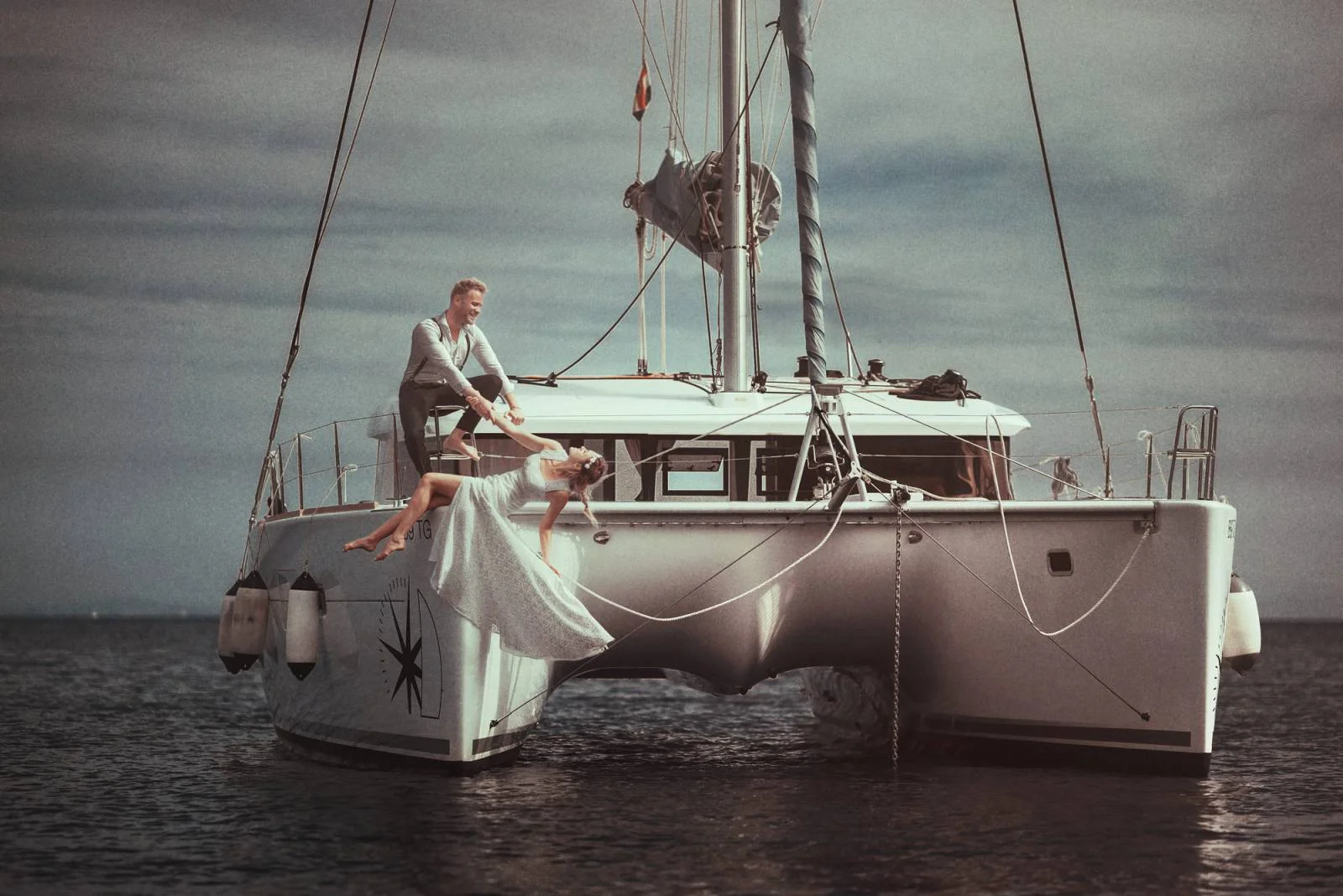
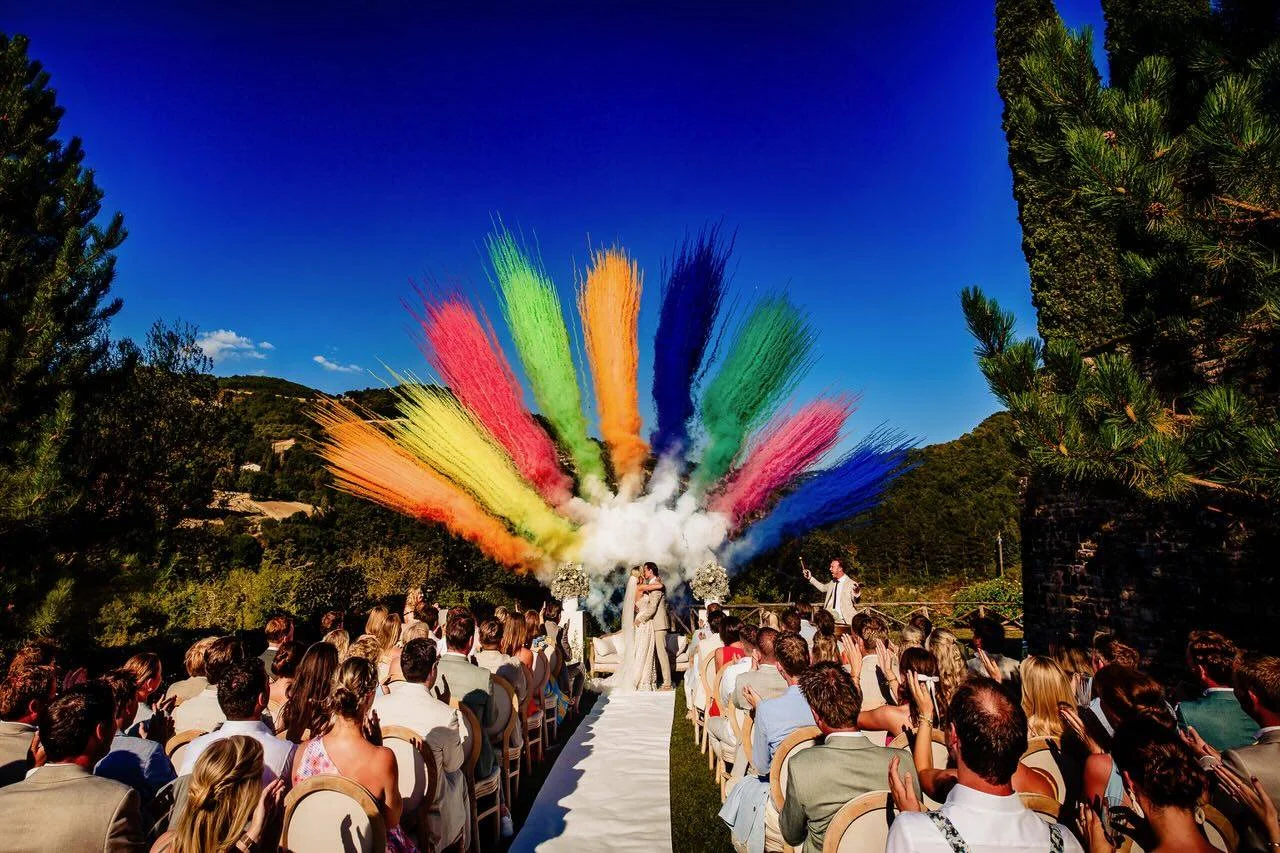
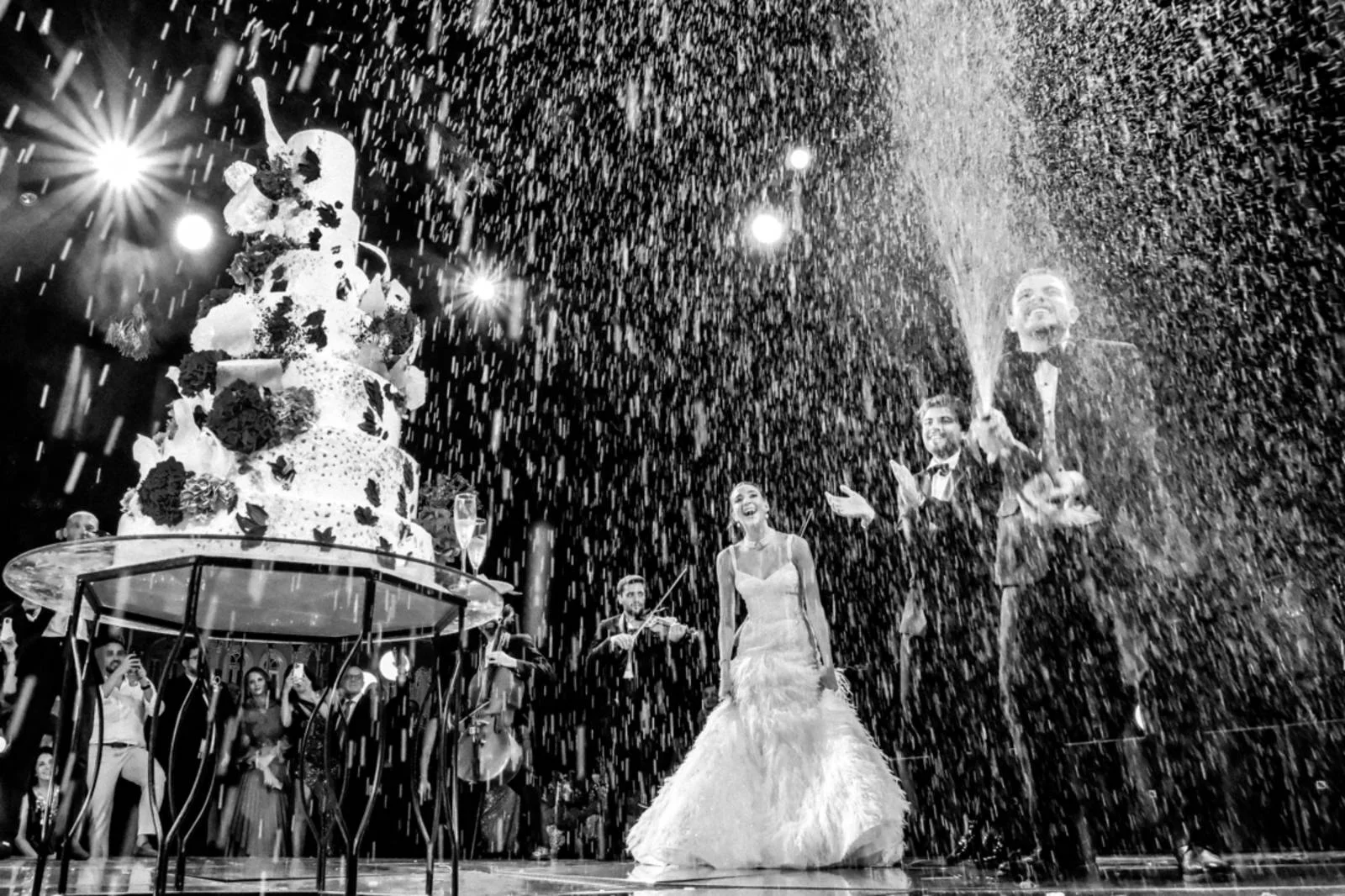
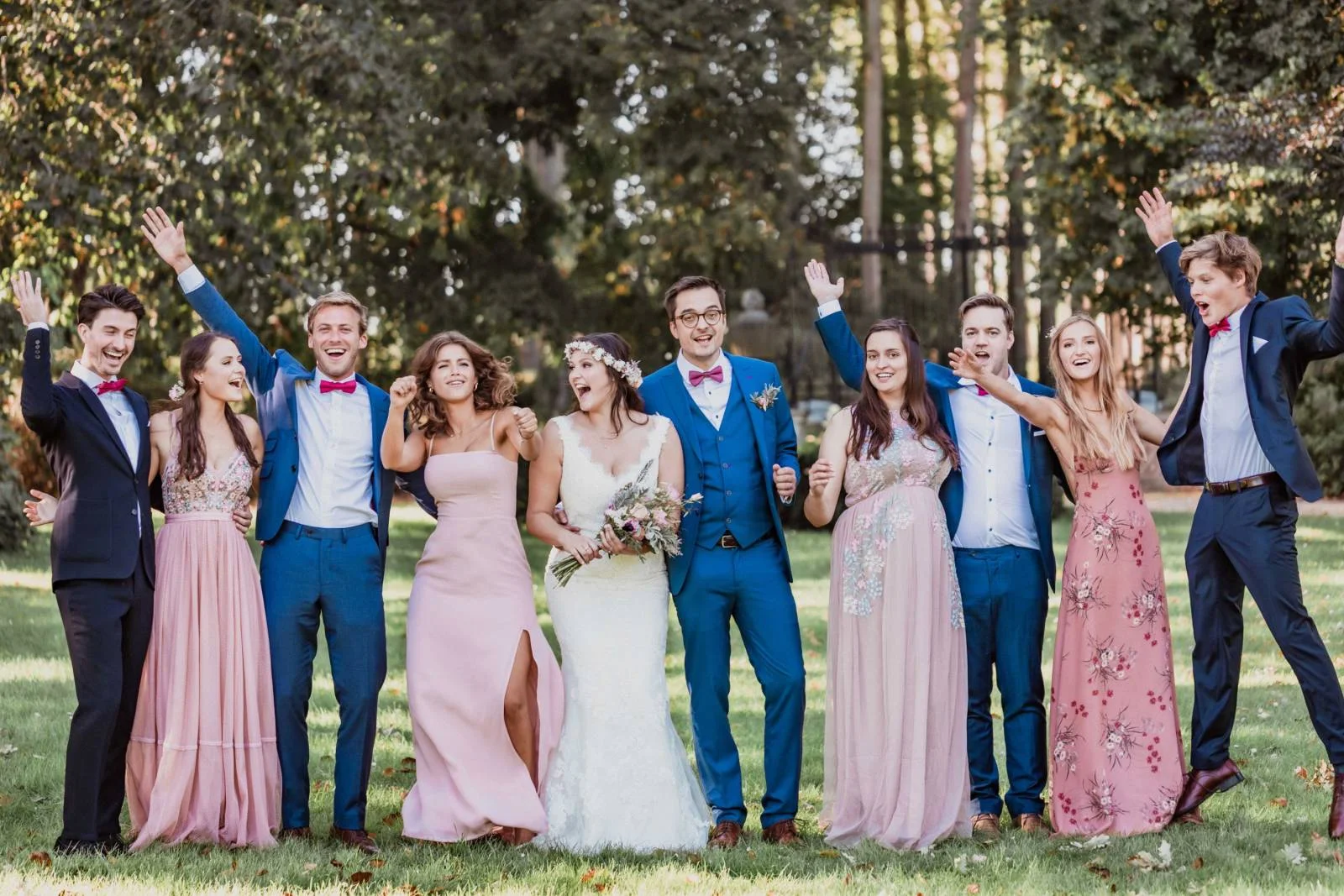
Featured Vendors
Sponsored


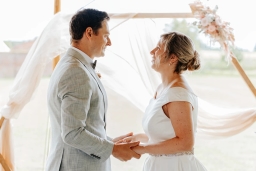
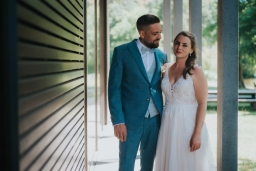
Looking for a photographer in West Flanders? These 5 tips will help you find the right one
1. Book well in advance, especially on the coast. If you’re getting married during the peak season on the Belgian coast, in Bruges or in one of the other popular seaside resorts, sought-after photographers’ diaries are often fully booked months in advance. Ideally, book your photographer six to nine months in advance, particularly if your date falls during the summer months, when both weddings and tourists make the region busier.
2. Consider lighting when choosing your venue. A ceremony on the beach or overlooking the sea involves harsh backlighting, plenty of reflection on the water and an ever-changing sky, whilst a reception in an old farmhouse, a rural barn or an atmospheric indoor venue lets in very little natural light. Discuss with your photographer how they handle both situations – from additional lighting indoors to careful positioning against the sun outdoors – so that the colours and contrast in your photos are spot on wherever you are.
3. Browse portfolios with your own setting in mind. A photographer who frequently works in Bruges’ historic city centre knows the narrow streets, the canals and the best time of day for soft light filtering through the facades. If you prefer open polder landscapes, vast dunes or a beach setting, look specifically for examples that showcase these wider, open environments.
4. Time your ceremony to coincide with the sunlight. If you’re getting married by the sea, the late afternoon light – around an hour before sunset – often produces the warmest and softest colours in photos, whilst the harsh midday sun can cast harsh shadows and result in a washed-out sky. Discuss with your photographer which time of day offers the best light for your specific location, particularly for an outdoor ceremony on the beach or the sea wall.
5. Bear in mind that popular locations can get busy. Bruges and the coastal towns attract tourists all year round, including at weekends when most wedding receptions take place. Discuss with your photographer how they’ll manage this, for example by working at quieter times early in the day, finding lesser-known spots away from the busiest areas, or taking a short walk to a quieter stretch of beach.
FAQ: Photographer in West Flanders
The late afternoon light, about an hour before sunset, usually produces the softest and warmest colours in photos taken by the sea, with less harsh shadows than at midday. Plan your ceremony, reception or a separate photoshoot around this time to make the most of the light over the water. Discuss this time in advance with your photographer, who knows the local light conditions and tides best.
Browse the portfolios with your own wedding venue in mind: West Flanders combines a historic city centre like Bruges with open polders, dunes and a coastline, and each of these requires a different photographic approach. A photographer accustomed to narrow streets, canals and façade architecture works differently from someone who is mainly used to wide skies, dune landscapes and seascapes.
For most public spaces in Bruges, such as the streets around the historic centre, you as a couple do not need a permit. However, for a number of iconic, heavily visited locations – such as squares or monuments where large numbers of tourists gather – there are sometimes specific regulations regarding professional photography, for example concerning the time of day or the use of additional equipment such as lighting kits or drones. Ask your photographer if they are familiar with these locations and know the local rules, so that you can take photos without any surprises.
A ceremony on the beach or in full sunlight involves strong backlighting, bright reflections on the water and rapidly changing lighting conditions – something an experienced photographer can skilfully manage through exposure, positioning and the correct camera settings. That expertise is directly reflected in the quality of your images.
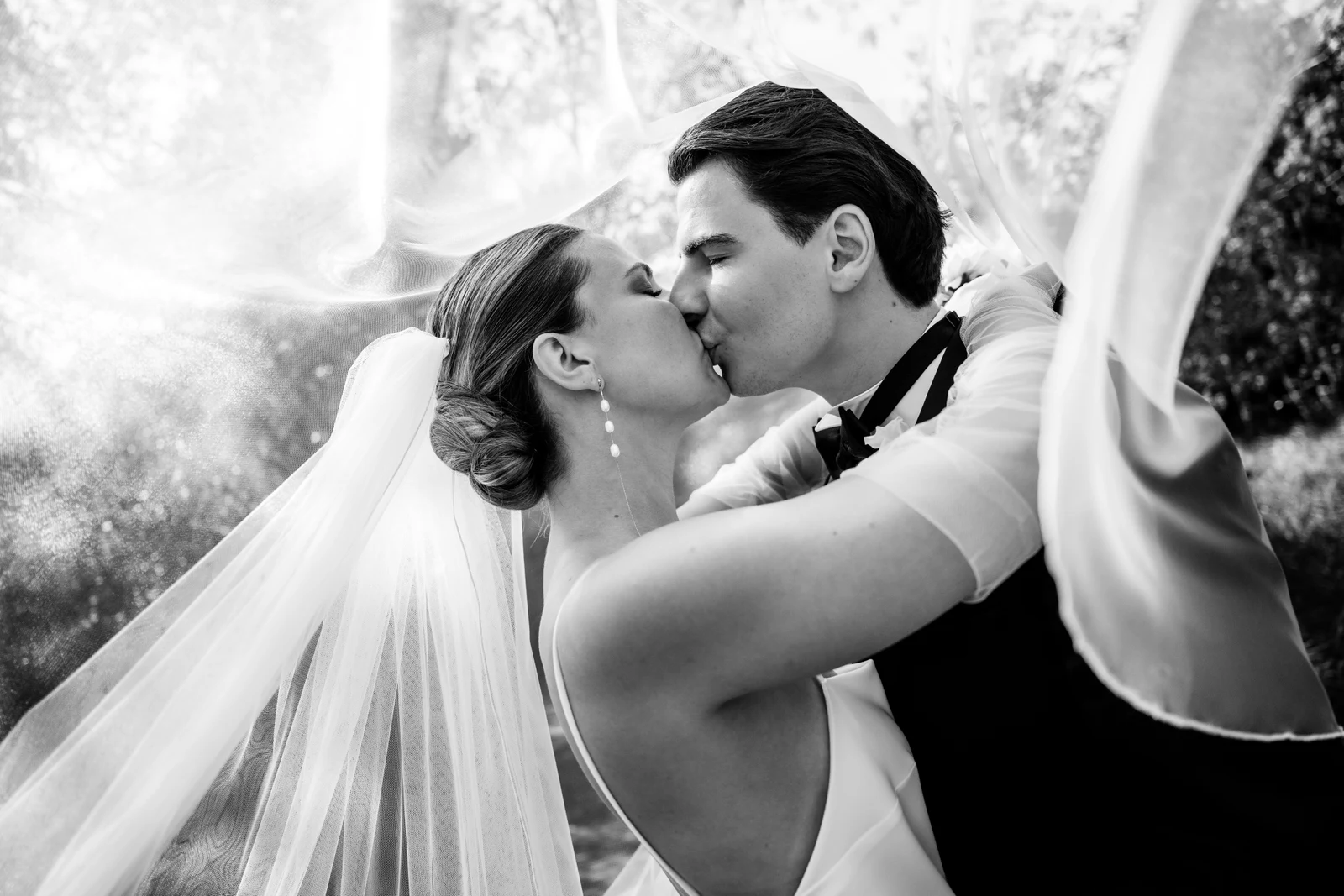
Many couples now opt for both. A photographer captures the atmosphere in still images, whilst a videographer also captures the sounds and movements. If you’re getting married outdoors by the sea, ask them how they deal with wind. This can affect both the image – for example, a veil blowing in the wind – and the sound.
According to our National Wedding Survey, you’ll pay on average between 2,000 and 3,500 euros for a photographer in West Flanders, whilst comprehensive packages including, for example, a second photographer, an album or a longer booking period can cost up to around 5,000 euros. The number of hours, the number of photographers, post-processing and the products delivered all help to determine the final price. Read more about the cost of a wedding here.
Discover the best photographers by province on House of Weddings:
Photographers in Antwerp - Photographers in Brussels - Photographers in East Flanders - Photographers in Limburg - Photographers in Flemish Brabant - Photographers in Walloon Brabant - Photographers in Hainaut - Photographers in Liège - Photographers in Namur - Photographers in Luxembourg
Discover all the photography styles and the full range on House of Weddings: